Exploring Venice Canals: The Ultimate Romantic Travel Guide
Recently updated on February 1, 2026
Total words: 9356
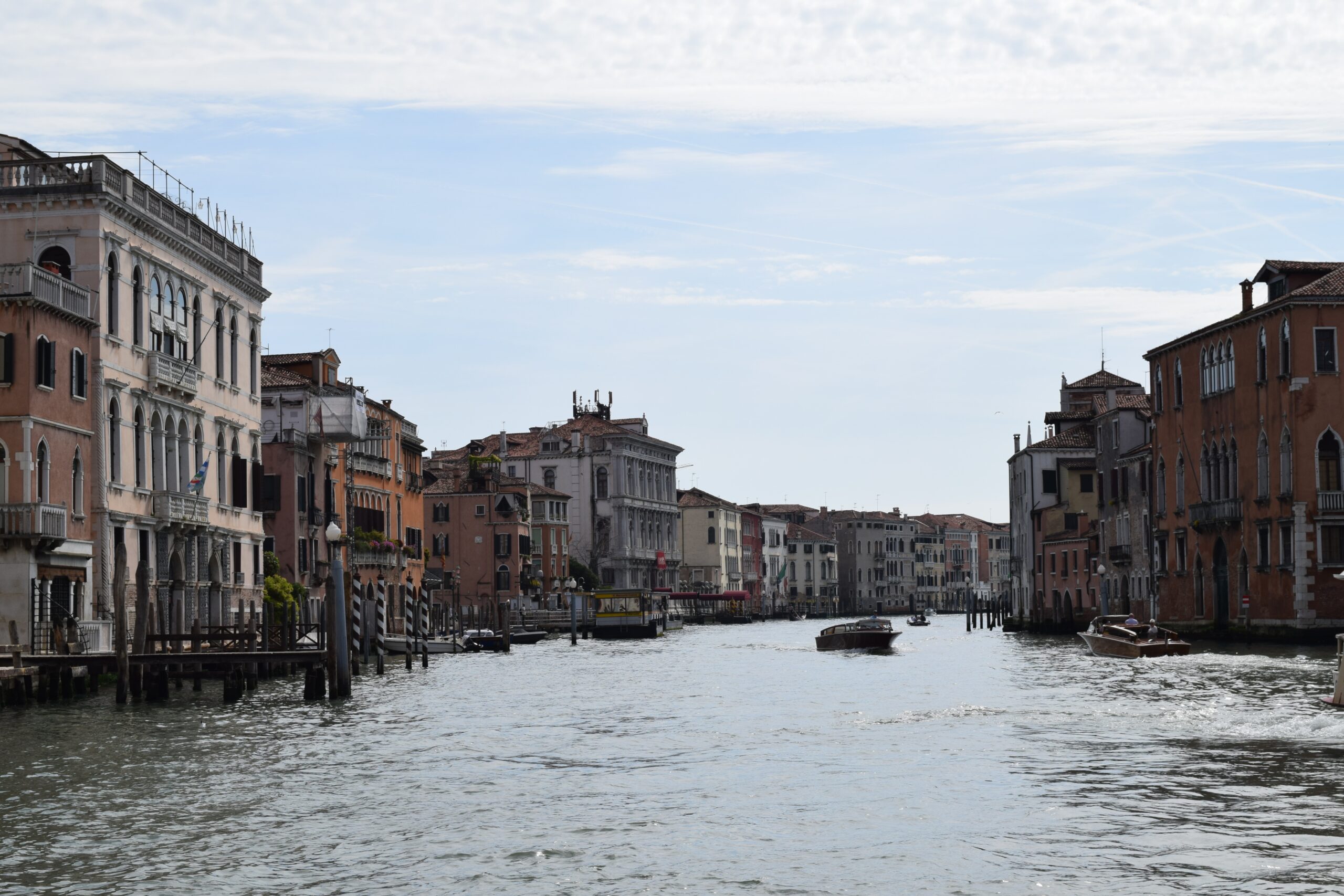
Introduction
Venice, often called the “City of Canals,” offers a uniquely enchanting experience for travelers seeking romance and history intertwined with stunning waterways. This Venice canals romantic travel guide is designed to immerse you in the charm and allure of one of the world’s most iconic destinations. The city’s intricate network of canals, lined with centuries-old architecture and vibrant culture, creates an atmosphere that has captivated visitors for generations. Whether you are planning a honeymoon, an anniversary trip, or simply a romantic getaway, Venice’s canals provide the perfect backdrop for unforgettable memories.
The waterways of Venice are much more than transportation routes; they are living symbols of the city’s rich heritage and architectural ingenuity. As you glide along the gentle waves in a traditional gondola or explore the bustling vaporetto routes, you will discover how these canals have shaped Venetian life, culture, and traditions. From the historical evolution of the canals to their cultural significance, every aspect of Venice’s waterways contributes to its timeless appeal.
This guide will take you beyond the surface, offering insights into the engineering marvels behind the canals, the symbolism embedded in Venetian waterways, and the best ways to experience their magic firsthand. You will also find practical advice on the ideal times to visit, how to navigate the city, and the ongoing efforts to preserve this fragile environment. Venice’s canals are not just a travel destination—they are a living, breathing testament to human creativity and resilience, making them an essential part of any romantic journey.
Whether you are drawn by the allure of candlelit gondola rides, the historic bridges arching over quiet waterways, or the vibrant local traditions that thrive along the canals, this guide provides everything you need to plan a deeply romantic and culturally enriching trip to Venice. Prepare to uncover the secrets of Venice’s waterways and create lasting memories in one of the world’s most romantic cities.
Index
- Historical Evolution of Venice Canals
- Cultural Significance and Traditions
- Architectural Design and Engineering of the Canals
- Symbolism and Meaning in Venetian Waterways
- Visitor Experience and Activities
- Best Time to Visit Venice Canals
- How to Get to Venice and Local Transportation
- Preservation Efforts and Sustainable Tourism Practices
- Conclusion
- FAQs
Historical Evolution of Venice Canals
Venice’s canals are among the most iconic features of the city, shaping its identity and function for centuries. Understanding their historical evolution offers valuable insight into how this unique urban landscape developed and why it continues to captivate visitors today. The canals are not merely picturesque waterways; they represent a complex and ingenious system born out of necessity, adaptation, and human ingenuity.
The story of Venice begins in the early 5th century AD, during a period of significant turmoil in northern Italy. As barbarian invasions threatened the mainland, groups of refugees sought refuge in the marshy, lagoon environment of the Venetian coast. This area, characterized by a network of small islands and shallow waters, provided a natural defense against invaders. These early settlers established their communities on these islands, relying heavily on the surrounding waters for transportation and sustenance.
At this stage, the canals were primarily natural tidal channels and streams that separated the islands. Over time, the inhabitants began to modify these waterways to suit their needs. They deepened channels to allow small boats to pass and built simple wooden bridges to connect the islands. This early canal system was rudimentary but essential for communication, trade, and survival within the lagoon.
The true transformation of Venice’s canals began during the Middle Ages, as the city grew into a powerful maritime republic. By the 9th and 10th centuries, Venice had established itself as a critical trading hub between the Byzantine Empire and Western Europe. The need for efficient transportation of goods and people within the city led to more deliberate and sophisticated canal engineering. The natural tidal channels were expanded, and new canals were dug to improve navigability and access to important commercial areas.
One of the defining moments in canal development occurred during the 12th and 13th centuries, a period marked by Venice’s economic and political ascendancy. The city’s rulers invested heavily in infrastructure to support maritime trade and urban growth. This period saw the creation of the Grand Canal, Venice’s main waterway, which snakes through the city in an S-shape. Originally a natural inlet, the Grand Canal was reshaped to serve as a central artery, linking the port with key marketplaces, palaces, and churches.
The canals also played a crucial role in Venice’s defense strategy. The city’s unique layout, with its maze of narrow canals and bridges, made it difficult for enemies to navigate and launch attacks. The waterways acted as natural moats, while Venetian authorities controlled access points with fortified gates and towers. This defensive advantage helped Venice maintain its independence and stability during centuries of regional conflict.
The Renaissance period brought further refinement to the canal system. As Venice’s wealth and cultural influence grew, so did the desire to beautify the city. Architects and engineers worked to improve the canals’ structural integrity, lining embankments with stone and constructing elegant facades along the waterways. The canals became not only practical thoroughfares but also stages for public life and artistic expression. Palaces and churches were designed with canal-facing entrances, emphasizing waterborne arrival and enhancing Venice’s image as a city of grace and grandeur.
Throughout the centuries, the canals required constant maintenance. The lagoon’s sedimentation and tidal movements meant that channels could easily become clogged or shallow. Venetian engineers developed techniques for dredging and reinforcing canal beds, often using wooden pilings driven into the soft soil to stabilize the foundations of buildings and bridges. This ongoing effort was critical to preserving the city’s infrastructure and preventing flooding, which remains a challenge to this day.
The Industrial Revolution and modern era introduced new challenges and adaptations to the canal system. While the canals remained vital for local transport and tourism, the rise of motorized boats and increased urbanization led to environmental concerns. Pollution, erosion, and rising sea levels have threatened the delicate balance of the lagoon ecosystem. In response, authorities have implemented preservation measures, such as limiting boat traffic in sensitive areas and investing in flood barriers like the MOSE project, designed to protect Venice from extreme high tides.
Today, the historical evolution of Venice’s canals is evident in their layered complexity. The waterways reflect centuries of human intervention, blending natural features with engineered solutions. They continue to serve as the city’s primary mode of transport, shaping daily life and sustaining Venice’s unique charm. For travelers, understanding this rich history enriches the experience of exploring the canals, revealing them not just as romantic scenery but as enduring symbols of resilience and creativity.
In summary, Venice’s canals evolved from natural lagoon channels into a sophisticated network essential for trade, defense, and urban life. Their development mirrors the city’s rise from a refuge for displaced peoples to a flourishing republic and cultural capital. The canals’ design and maintenance demonstrate a continuous interplay between nature and human innovation, underscoring why Venice remains one of the world’s most remarkable and beloved cities.
Cultural Significance and Traditions
The canals of Venice are not merely waterways that traverse the city; they are living symbols of Venetian history, culture, and identity. For centuries, these waterways have shaped the social and economic fabric of Venice, influencing its architecture, lifestyle, and traditions. Understanding the cultural significance of the Venetian canals enriches any visit, revealing layers of meaning behind what may appear to be simply picturesque scenes.
Venice’s unique geography—a city built on more than 100 small islands separated by canals and linked by bridges—has dictated much of its cultural development. The canals function as the city’s streets, serving as primary routes for transportation, commerce, and communication. Since the Middle Ages, the waterways have connected the city’s districts, supporting its role as a major maritime power and trade hub in the Mediterranean.
Historically, Venice flourished as a republic from the 7th century until the late 18th century. During this time, the canals were vital to the city’s prosperity, enabling the movement of goods, people, and ideas. The Grand Canal, often called the “main street” of Venice, was lined with opulent palazzi built by noble families who displayed their wealth and status through grand architecture facing the water. These buildings speak to a time when the city’s elite would arrive by gondola, emphasizing the central role of waterways in everyday Venetian life.
Beyond commerce and prestige, the canals have deep cultural and social significance. They are the backdrop for numerous Venetian traditions and festivals, many of which celebrate the city’s maritime heritage. One of the most renowned is the Festa della Sensa, or Ascension Day, commemorating Venice’s historic relationship with the sea. During this event, a symbolic “Marriage of the Sea” ceremony takes place, where the mayor throws a ring into the water, reaffirming Venice’s dominion over the Adriatic Sea. This ritual, dating back to the 12th century, highlights the canals and surrounding waters as more than physical features—they embody the city’s identity and its bond with nature.
The gondola itself, an iconic symbol of Venice, is steeped in cultural tradition. These slender boats, designed for navigating narrow canals, have been used for centuries as the primary means of transport. Each gondola is handcrafted following strict traditional designs, reflecting Venetian craftsmanship and artistry. Historically, gondoliers formed a respected class, and their knowledge of the intricate canal network was essential for safe and efficient travel. Today, while gondolas are largely a tourist attraction, their cultural significance remains strong, connecting modern visitors with Venetian heritage.
The canals have also inspired Venice’s rich artistic and literary traditions. Artists from the Renaissance onward have captured the interplay of water, light, and architecture in their paintings, contributing to Venice’s reputation as a city of beauty and romance. Writers and poets have often used the canals as metaphors for mystery, passage, and love, weaving the waterways into narratives that continue to enchant audiences worldwide.
Venetian daily life is intertwined with the canals in subtle yet profound ways. Residents rely on water buses (vaporetti), water taxis, and private boats for commuting, delivering goods, and emergency services. Even practical matters such as garbage collection and mail delivery are conducted via the canals. This dependence on water transport creates a unique rhythm to city life, one that visitors can observe during their explorations. Witnessing morning markets along the canals, fishmongers unloading their catch directly from boats, or schoolchildren boarding water buses offers insight into a community living in harmony with its aquatic environment.
Religious traditions in Venice also find expression through the canals. The city is dotted with churches and chapels accessible primarily by water. Religious processions often incorporate the waterways, with participants traveling by boat to honor patron saints or celebrate holy days. One notable example is the Regata Storica, an annual event featuring historic boats and rowing races along the Grand Canal, celebrating Venetian maritime power and religious devotion. These events reinforce the canals’ role as communal spaces where faith, history, and civic pride converge.
Moreover, the environmental aspects of the canals have cultural implications. Venetians have long contended with the challenges posed by living in a lagoon ecosystem, including tides, flooding, and erosion. The city’s response to these challenges—through engineering feats like the MOSE project designed to protect against high tides—reflects a cultural resilience and a commitment to preserving Venice’s heritage. This ongoing relationship with the natural environment underscores the canals’ importance not only as cultural symbols but as integral elements of Venice’s survival and identity.
In recent decades, the canals have also become focal points in discussions about sustainable tourism and cultural preservation. Balancing the influx of visitors with the need to protect fragile waterways and historic structures requires careful management. Local authorities and preservation organizations emphasize maintaining the canals’ character while supporting traditional Venetian crafts, such as gondola building and mask making, which continue to thrive alongside tourism. This dynamic highlights the canals as living heritage sites, where cultural continuity is actively maintained amid modern pressures.
In summary, the canals of Venice embody far more than their physical presence. They are central to the city’s history as a maritime republic, serve as venues for cherished traditions and festivals, inspire artistic expression, and sustain a distinctive way of life. For travelers seeking a deeper connection with Venice, appreciating the cultural significance of the canals offers a richer, more meaningful experience—one that reveals the enduring spirit of this remarkable city.
Architectural Design and Engineering of the Canals
The canals of Venice represent one of the most remarkable feats of architectural design and engineering in human history. Constructed over centuries, these waterways have transformed an unstable lagoon into a thriving city renowned worldwide for its unique urban fabric. Understanding the intricacies of Venice’s canal system requires an appreciation of the city’s geographical context, the ingenuity of its engineers, and the delicate balance between human construction and natural forces.
Venice is situated on a group of 118 small islands separated by canals and linked by more than 400 bridges. This distinctive setting in the Venetian Lagoon, a shallow body of water along the Adriatic Sea, posed significant challenges to early builders. The lagoon’s soft, marshy terrain was unsuitable for conventional construction methods, requiring innovative techniques to create a stable foundation for buildings and infrastructure.
At the heart of Venice’s canal system is an extensive network of waterways that serve both as transportation routes and drainage channels. The primary canals, such as the Grand Canal, act as the main arteries of the city, facilitating movement of people and goods. Smaller canals branch off, weaving through residential and commercial districts. The layout of these canals was not random; it evolved over time to accommodate the city’s growth while respecting the natural flow of tides and freshwater inflows.
One of the earliest and most critical engineering solutions in Venice was the use of wooden piles driven deep into the lagoon’s sediment to provide stable foundations. These piles, often made from alder, oak, or larch trees, were driven vertically into the soft mud until they reached a denser layer beneath. Remarkably, wood submerged underwater in anaerobic conditions does not rot, providing a long-lasting base. On top of these piles, builders placed a platform of wooden planks, followed by layers of Istrian stone—a dense, water-resistant limestone prized for its durability.
The choice of materials was essential to ensure the city’s longevity. Istrian stone, sourced from quarries in the nearby Istrian Peninsula, resisted erosion from saltwater and constant tidal movements. Its use in foundations, quays, and facades helped Venice withstand the lagoon’s corrosive environment. Additionally, bricks made from local clay were commonly used for walls, often coated with plaster to protect against moisture.
The engineering of the canals also required careful management of water levels. Venice experiences regular tidal fluctuations and occasional flooding known as “acqua alta.” To mitigate damage, the city’s canals were designed with varying depths and widths to facilitate efficient water flow and drainage. Canals were dredged periodically to maintain navigability and prevent sediment buildup. The shape of canal banks was often reinforced with stone embankments to prevent erosion and collapse.
Venice’s canal system also integrates a sophisticated network of locks and sluices, although these are less prominent than in other canal cities due to Venice’s reliance on tidal movements. Nonetheless, water control mechanisms were implemented in specific areas to regulate flow and protect low-lying districts. The careful balance between seawater intrusion and freshwater from rivers was essential to preserving the delicate ecosystem of the lagoon and supporting the city’s infrastructure.
Architecturally, buildings along the canals reflect a harmonious relationship between form and function. Palaces, churches, and residences feature grand facades facing the waterways, with entrances designed for boat access. This orientation underscores the canals’ role as primary thoroughfares. Many structures incorporate private docks or landing steps, known as “fondamenta,” allowing direct connection to the water. The integration of waterborne transport into daily life influenced the scale, layout, and aesthetic of Venetian architecture.
The canal edges themselves were constructed to accommodate the city’s vibrant activity. Quays and piers served as marketplaces, social gathering spots, and points of embarkation. The use of stone steps descending into the water made loading and unloading goods practical and efficient. Over time, these waterfront areas became iconic aspects of Venice’s urban identity, blending utility with beauty.
Preserving the structural integrity of the canals and surrounding buildings remains a complex challenge. The city faces threats from natural subsidence, rising sea levels, and increased flooding frequency. Modern engineering efforts include monitoring foundation stability, reinforcing embankments, and developing flood barriers such as the MOSE project—a system of mobile gates designed to protect the lagoon from extreme tides. These initiatives aim to safeguard Venice’s heritage while respecting its historic design principles.
In summary, the architectural design and engineering of Venice’s canals exemplify a profound understanding of environmental conditions and human ingenuity. The city’s unique construction methods, choice of materials, and water management strategies have enabled Venice to flourish in an unlikely setting. These waterways are not merely aesthetic features but vital components of the urban ecosystem, reflecting centuries of adaptation and resilience. For visitors exploring Venice today, the canals offer a living testament to the remarkable interplay between nature and architecture that defines this extraordinary city.
Symbolism and Meaning in Venetian Waterways
Venice’s waterways are much more than a network of canals—they are the lifeblood of the city, steeped in centuries of symbolism and rich cultural meaning. Understanding the symbolic significance behind the Venetian canals offers a deeper appreciation of this unique urban landscape, which has inspired artists, poets, and travelers for generations. The canals are not only practical transport routes but also powerful metaphors woven into the identity of Venice itself, reflecting its history, social structure, and romantic allure.
From its very foundation, Venice was born from water. The city’s origins trace back to the early medieval period when refugees fled to the lagoon islands to escape invasions on the mainland. This strategic choice to settle amid shifting tides and marshes laid the groundwork for the canals that would come to define Venice. Rather than viewing water as a barrier, Venetians embraced it as a protective shield and a symbol of resilience. The canals became a representation of Venice’s ingenuity and adaptability, reflecting a society that thrived in harmony with nature’s challenges.
The intricate layout of the canals also symbolizes Venice’s social and political order. The Grand Canal, known as the “Canalazzo,” is the main water artery flowing through the city and historically served as a stage for civic pride and power. Palaces and important buildings line its banks, showcasing the wealth and status of Venetian nobility during the Republic era. The positioning of these grand structures along the waterway was a deliberate statement of influence, visually reinforcing the hierarchy of Venetian society. The canals thus act as both literal and figurative channels of power and prestige.
In addition to social symbolism, the canals hold spiritual and cultural meanings. Venice’s relationship with water has long been linked to themes of life, death, and rebirth. Water, a universal symbol of cleansing and transformation, is embodied in the city’s environment. The flooding of acqua alta, or high water, periodically submerges parts of Venice, reminding inhabitants and visitors of the delicate balance between permanence and impermanence. This natural phenomenon has been woven into the local folklore and artistic expressions, highlighting the transient beauty of the city and the cyclical nature of existence.
Romantic symbolism is another crucial layer in the meaning of Venice’s waterways. The canals evoke a sense of mystery and enchantment, often associated with love and intimacy. Narrow passageways and quiet corners along the canals create intimate settings where lovers can escape the bustle of everyday life. Gondolas, the iconic flat-bottomed boats that glide silently through the water, have become enduring symbols of romance. Historically, gondoliers navigated the waterways as trusted guides, their presence adding a human element to the city’s watery maze. Today, a gondola ride remains one of the most cherished romantic experiences for couples visiting Venice, symbolizing a journey shared in harmony and tranquility.
The reflection of Venetian architecture on the canal’s surface also carries symbolic weight. The shimmering images of palaces, bridges, and churches in the water serve as metaphors for Venice’s dual nature: both real and ephemeral, solid and fluid. This interplay between reality and reflection has inspired countless works of art, underscoring the city’s allure as a place where history and fantasy intertwine. The canals act as mirrors, reflecting Venice’s past and present, and inviting contemplation on the passage of time.
Furthermore, the canals are a symbol of connectivity and community. Unlike cities built around roads, Venice’s waterways emphasize movement through water, linking neighborhoods and fostering interaction among residents. The bridges crossing the canals represent physical and social connections, facilitating encounters and exchange. This network encourages a pedestrian lifestyle centered on human scale and proximity, fostering a sense of belonging and shared experience. The canals, therefore, symbolize not only isolation caused by water but also unity born from it.
In the Venetian context, water is also a symbol of commerce and exploration. The city’s rise as a major maritime power in the Mediterranean was enabled by its mastery of the lagoon and canal systems. Venice’s canals were vital for the transport of goods, people, and ideas, making the city a vibrant hub of trade and cultural exchange. This aspect of the waterways symbolizes openness to the world and a spirit of adventure. The canals remind visitors of Venice’s historical role as a gateway between East and West, where diverse cultures met and flourished.
Architecturally, the canals influenced the development of Venetian Gothic and Renaissance styles, reflecting an aesthetic that harmonizes with the aquatic environment. Buildings were designed with water entrances and facades that engage directly with the canal, emphasizing a relationship between human habitation and nature. This architectural dialogue symbolizes the integration of human creativity with natural elements, a hallmark of Venetian identity.
In modern times, the canals continue to carry symbolic significance amid challenges such as rising sea levels and tourism pressures. They stand as reminders of the city’s fragile beauty and the ongoing need for preservation. Venice’s waterways represent a cultural treasure that connects the present with centuries of history, tradition, and meaning.
Exploring the symbolism of Venice’s canals enriches any visit by revealing layers of significance beneath the surface. These waterways are not merely scenic routes but living symbols of resilience, power, spirituality, romance, community, and artistry. Appreciating their deeper meanings enhances the experience of Venice as a city where water shapes not only the landscape but also the soul.
Visitor Experience and Activities
Exploring the canals of Venice offers a unique blend of history, culture, and romance that is unmatched by any other city in the world. The experience of navigating these waterways is central to understanding Venice’s identity, as the canals have served as the city’s lifeblood for centuries. For visitors, the canals provide not only a means of transportation but also a setting for a variety of engaging activities that enrich the journey and deepen the connection to this iconic city.
One of the most quintessential activities along the Venice canals is taking a gondola ride. Gondolas have been a symbol of Venetian culture since the 11th century and were once the primary mode of transport for locals. Today, these sleek, black boats remain a popular choice for visitors seeking an intimate and leisurely way to explore the city’s waterways. Gondoliers, who steer these boats with a single oar, often share insights into Venice’s history and architecture, adding an educational element to the romantic experience. The slow pace of a gondola ride allows travelers to admire the ornate facades of palaces, the delicate ironwork of bridges, and the subtle reflections on the water, creating a serene atmosphere that is ideal for couples or anyone wanting to savor the city’s charm.
For those who prefer a more independent exploration, vaporetto rides offer an accessible and affordable way to navigate Venice’s extensive canal network. These public water buses cover major routes along the Grand Canal and connect important districts such as San Marco, Dorsoduro, and Cannaregio. Riding a vaporetto not only provides practical transportation but also offers spectacular views of prominent landmarks like the Rialto Bridge and the Ca’ d’Oro. Many travelers choose to use vaporettos for a hop-on, hop-off experience, allowing them to disembark and explore neighborhoods, museums, and cafes at their own pace. This mode of travel is especially recommended for visitors who want to combine canal sightseeing with visits to museums and local markets.
Walking alongside the canals is another vital aspect of the visitor experience in Venice. The narrow alleys and pedestrian bridges that cross the smaller canals reveal the city’s layered history and invite discovery. Each neighborhood, or sestieri, has its own character. For example, the Cannaregio district is known for its authentic Venetian atmosphere and the historic Jewish Ghetto, while the artistic Dorsoduro area offers museums and galleries near quieter canals. Strolling through these neighborhoods alongside the water allows visitors to absorb the rhythm of Venetian life, watch gondolas glide by, and enjoy the interplay of light and shadow on the ancient stone buildings.
Venice’s canals also serve as a backdrop for various cultural events and festivals throughout the year, providing unique opportunities for visitors to engage with local traditions. The Regata Storica, held annually on the first Sunday of September, is a colorful historical boat race that features elaborately decorated gondolas and rowing boats. Spectators line the banks of the Grand Canal to witness this spectacular event, which dates back to the 13th century and celebrates Venice’s maritime heritage. Similarly, the Venice Carnival, famous worldwide for its elaborate masks and costumes, includes water parades and performances on the canals, creating a festive atmosphere that highlights the city’s rich cultural fabric.
For visitors interested in culinary experiences, many canal-side establishments offer the chance to enjoy Venetian cuisine while overlooking the water. Traditional trattorias and osterias serve dishes such as cicchetti—Venetian-style small plates that pair perfectly with local wines and spritz cocktails. Dining by the canal allows guests to watch gondolas and boats pass by, enhancing the sensory pleasure of the meal with the sights and sounds of the city’s aquatic life. Some restaurants also provide private dining options on floating platforms or boats, adding a romantic dimension to the evening.
Exploring the canals at different times of the day can significantly influence the visitor’s experience. Morning boat rides offer a peaceful glimpse of Venice waking up, with soft light reflecting on the water and fewer crowds. Midday excursions are ideal for observing the bustling activity of markets and street vendors near the canals. Sunset cruises are particularly popular for their golden hues and the way the city’s architecture is bathed in warm light, creating memorable photographic opportunities. Nighttime canal tours reveal a quieter, almost magical side of Venice, with illuminated buildings and the gentle lapping of water enhancing the intimate ambiance.
For those seeking a more active approach, renting a kayak or paddleboard provides an adventurous way to explore the canals. While this is less common due to the city’s regulations and busy waterways, certain guided tours offer safe routes that let visitors experience Venice from a unique perspective. Paddling through smaller canals and hidden passages allows for a closer look at residential areas and lesser-known landmarks, often missed by conventional boat tours.
Educational activities related to the canals include guided walking tours that focus on Venice’s engineering and environmental challenges. Venice is renowned for its complex system of canals, locks, and tide barriers designed to manage the delicate balance between land and sea. Knowledgeable guides explain how the city’s infrastructure has evolved over the centuries to protect it from flooding and preserve its architectural heritage. These tours provide context to the visitor’s experience, fostering a deeper appreciation for Venice’s resilience and the ongoing efforts to safeguard its future.
In summary, the visitor experience along Venice’s canals encompasses a broad range of activities, from leisurely gondola rides and public water bus journeys to immersive cultural festivals and culinary indulgences. Each activity offers a distinct way to engage with the city’s waterways, revealing different facets of Venice’s history, culture, and daily life. Whether traveling as a couple seeking romance, a family exploring cultural heritage, or an individual drawn by the city’s artistic allure, the canals provide a timeless and enchanting setting for discovery. Through thoughtful engagement with the canals and their surroundings, visitors can create lasting memories that capture the essence of Venice’s unique charm.
Best Time to Visit Venice Canals
Venice, with its intricate network of canals and timeless charm, is a destination that captivates travelers year-round. However, choosing the best time to visit the Venice canals can greatly enhance the experience, particularly for those seeking a romantic and memorable journey. Understanding the seasonal variations, local events, and weather conditions is essential for planning a visit that maximizes comfort and immersion in the city’s unique atmosphere.
Venice’s climate is classified as humid subtropical, characterized by hot summers and mild winters. The city experiences a distinct seasonal rhythm that influences both the environment and the flow of visitors. Spring, summer, autumn, and winter each present different opportunities and challenges for canal exploration and sightseeing.
Spring, particularly from late March through May, is often considered one of the most favorable times to visit Venice. During this period, temperatures are mild, typically ranging from 50°F (10°C) to 70°F (21°C), creating pleasant conditions for leisurely gondola rides and walking tours along the canals. The city begins to bloom with vibrant flowers and fresh greenery, enhancing the romantic ambiance. Spring is also less crowded than the peak summer months, allowing for a more tranquil experience. Visitors can enjoy iconic landmarks such as the Rialto Bridge and St. Mark’s Square without the overwhelming throngs common in high season. Additionally, the spring months often coincide with cultural events like the Festa della Sensa, which celebrates Venice’s historic relationship with the sea and offers a unique glimpse into local traditions.
Summer, spanning June to early September, marks the high tourist season. The weather is warmest during this time, with temperatures frequently reaching the mid-80s°F (around 30°C). While summer days are ideal for enjoying the sparkling reflections on the canals and extended daylight hours, this season also brings larger crowds and higher prices for accommodations and tours. The city’s narrow streets and popular gondola routes can become congested, which may detract from the intimate atmosphere sought by romantic travelers. However, summer evenings in Venice are particularly enchanting, with al fresco dining along the waterfront and numerous open-air concerts and festivals. Visitors who do not mind the bustling environment may find the vibrant summer scene appealing. It is advisable to book tickets and lodging well in advance during this period to avoid last-minute difficulties.
Autumn, from late September through November, is another excellent season for canal exploration. The weather remains comfortable, with temperatures cooling down to between 50°F (10°C) and 70°F (21°C), similar to spring. The summer crowds begin to thin out, offering a more relaxed pace that is conducive to romantic strolls along the narrow alleys and bridges. Autumn also brings a softer, golden light that bathes the city in warm hues, perfect for photography and peaceful gondola rides. This season coincides with the Biennale di Venezia, a prestigious international art exhibition held every two years, which can enrich the cultural experience. However, visitors should be aware that November can be prone to acqua alta, or high water, a phenomenon where tides flood parts of the city. While temporary raised walkways are often installed, flooding can affect accessibility and should be considered when planning a trip.
Winter, from December through February, is the least popular time for tourists but has its own unique appeal. The temperatures are cooler, usually ranging from the low 30s to mid-40s°F (around 0–7°C), and the city experiences fewer visitors. This off-season atmosphere allows travelers to experience Venice in a more authentic, local way, with quiet canals and peaceful streets. The holiday season brings festive decorations and events, including the traditional Venice Carnival in February or March, famous for its elaborate masks and costumes. The Carnival is a highlight for many visitors, offering a magical and romantic backdrop to the city’s historic canals. However, winter weather can be damp and foggy, which may limit outdoor activities and visibility. Proper clothing and flexible itineraries are recommended during this time.
When considering the best time to visit Venice canals for a romantic getaway, several practical factors should also be taken into account beyond climate and crowds. Accommodation prices fluctuate significantly with the seasons, peaking in summer and during major events such as the Venice Film Festival and Biennale. Early booking is crucial to secure desirable hotels, particularly those with views of the Grand Canal or quieter neighborhoods like Dorsoduro or Cannaregio. Additionally, gondola fares tend to be higher during peak periods, so budget planning should reflect seasonal variations.
Another important consideration is the timing of local festivals and public holidays. Venice’s calendar is rich with celebrations that can enhance a visit but may also lead to increased visitor numbers and limited availability. For instance, the Festa del Redentore in July features a spectacular fireworks display over the lagoon, drawing large crowds. Similarly, the Regata Storica in September showcases historic gondolas competing in a traditional rowing race. These events provide immersive cultural experiences but may require advanced planning to navigate crowds.
Venice’s unique geography also influences the visitor experience throughout the year. The canal system, central to the city’s identity, is affected by tide levels and weather conditions. During periods of acqua alta, typically in autumn and winter, some areas may be temporarily inaccessible or require navigating elevated walkways. While this flooding is a natural part of Venice’s rhythm and has been documented for centuries, it is advisable for travelers to stay informed about tide forecasts and prepare accordingly.
In summary, the best time to visit Venice canals depends on individual preferences for weather, crowd levels, and special events. Spring and autumn offer the most balanced combination of mild weather, manageable crowds, and cultural highlights, making these seasons especially suitable for romantic travel. Summer is ideal for those seeking vibrant city life and warm evenings but comes with larger crowds and higher costs. Winter provides a quieter, more intimate experience with the added allure of festive occasions like the Carnival, albeit with cooler and potentially wetter conditions.
By aligning travel plans with these seasonal insights, visitors can craft a truly unforgettable experience, savoring the timeless beauty of Venice’s canals in a way that resonates with the city’s enduring romance and historical grandeur.
How to Get to Venice and Local Transportation
Venice, often described as one of the world’s most enchanting cities, is renowned for its unique layout of canals and historic charm. Situated in northeastern Italy, Venice is built on a group of 118 small islands separated by canals and linked by more than 400 bridges. This distinctive geography means that transportation to and within Venice differs significantly from conventional cities, making it essential for travelers to understand the available options to ensure a smooth and enjoyable visit.
Getting to Venice
Venice is accessible by various means of transport, including air, rail, road, and sea, each offering different advantages depending on your point of origin and travel preferences.
By Air
The primary gateway for international travelers is Venice Marco Polo Airport (Aeroporto di Venezia Marco Polo), located approximately 13 kilometers (8 miles) from the historic city center. It is one of Italy’s busiest airports and serves numerous airlines with flights from major European cities and beyond. From the airport, visitors can reach Venice’s central area, known as Piazza San Marco, by several options:
– Water Taxi: A direct and scenic route, water taxis provide private transfers from the airport’s dock to various locations in Venice. Though more expensive than other options, this mode offers a quintessential Venetian experience upon arrival.
– Alilaguna Water Bus: This public water shuttle service connects the airport to several stops within the Venetian lagoon, including San Marco, Rialto, and other key districts. It is an affordable and picturesque way to enter the city, taking roughly 60 to 80 minutes.
– Land Bus and Vaporetto: Travelers can take a land bus from the airport to Piazzale Roma, the city’s main car terminal, followed by a vaporetto (water bus) to their final destination. This combination is cost-effective and widely used.
Another airport serving Venice is Treviso Airport (Aeroporto di Treviso), about 40 kilometers away, favored by some low-cost carriers. Transfers from Treviso to Venice involve shuttle buses or private taxis.
By Train
Venice is well-connected by rail, with the Venezia Santa Lucia train station located on the edge of the historic center. This station is unique because it sits directly on the water, allowing travelers to step off the train and immediately immerse themselves in the city’s canal network. Italy’s national rail service, Trenitalia, operates frequent trains from major cities such as Milan, Rome, Florence, and Bologna. High-speed trains significantly reduce travel times, making day trips or weekend visits practical.
From other European countries, international trains also arrive at Venezia Mestre station on the mainland, with easy transfer options to Venice Santa Lucia by local trains or buses. The train is an excellent choice for those who prefer to avoid airport security and enjoy scenic routes through the Italian countryside.
By Road
Venice is unique in that cars cannot enter the historic center. The city’s terminal for road vehicles is Piazzale Roma, located on the western edge of the city. Visitors arriving by car or bus must park in one of the large parking facilities nearby. These include garages such as Garage San Marco and Autorimessa Comunale, offering hourly and daily rates. From Piazzale Roma, travelers proceed on foot or by water transport.
For those driving from other parts of Italy or Europe, the A4 motorway connects Venice to cities like Milan and Turin. Well-marked signs guide drivers to the city’s outskirts and parking areas. It is important to note that driving within Venice itself is prohibited, preserving the city’s delicate infrastructure and historic character.
By Sea
Venice’s location on the Adriatic Sea makes it a popular port of call for cruise ships. The city’s passenger terminal welcomes thousands of visitors arriving by sea, providing a unique method of entry. However, large cruise ships dock at the port outside the historic center, requiring passengers to use shuttle boats or tender services to reach the city.
For those arriving by private boat or yacht, Venice offers several mooring options in the lagoon, including Marina Sant’Elena near the Lido and other designated marinas. Navigating the canals requires knowledge of local regulations and waterways, so many boaters employ local pilots or guides.
Local Transportation Within Venice
Once inside Venice, the absence of cars and roads means visitors rely on water and pedestrian transport. Understanding the local systems is crucial for navigating the city’s labyrinth of canals and narrow alleys.
Walking
Venice is a city best explored on foot. The compact size of the historic center, roughly six square kilometers, makes walking practical and often the most rewarding way to discover hidden squares, historic buildings, and charming bridges. The city’s pedestrian paths are well-signposted, and maps from official tourism offices or digital guides can aid orientation.
Walking offers flexibility and the chance to experience the authentic atmosphere of Venice’s neighborhoods, from the bustling San Marco area to the quieter Dorsoduro district. Comfortable shoes are recommended, as the city’s cobblestone streets and frequent bridges require some physical effort.
Vaporetto (Water Bus)
The vaporetto is Venice’s primary public transportation system on water. Operated mainly by ACTV (Azienda del Consorzio Trasporti Veneziano), the network consists of numerous lines serving the Grand Canal and outer islands such as Murano, Burano, and Lido. Vaporetti are an affordable and efficient way to cover longer distances across the lagoon.
Tickets can be purchased at kiosks, online, or via mobile apps, and are valid for a certain duration rather than a single ride, allowing flexibility. Routes and schedules are clearly displayed at stops, and the boats are equipped to accommodate luggage and passengers with reduced mobility.
Traveling by vaporetto provides an immersive experience of Venice’s waterways, offering views of historic palaces, churches, and bridges from a unique vantage point. The main line running along the Grand Canal connects major stops like Ferrovia (train station), Rialto, and San Marco.
Water Taxi
For those seeking privacy, speed, and comfort, water taxis are a popular choice. These motorboats can be hired for direct transfers to hotels, restaurants, or specific points in the city. While more expensive than public transport, water taxis provide personalized service and are often used for special occasions, including romantic outings.
Water taxi stands are located near major transport hubs, and bookings can be made in advance or upon arrival. It is advisable to agree on fares beforehand, as prices are regulated but can vary depending on time and distance.
Traghetto
A traghetto is a traditional gondola ferry service that crosses the Grand Canal at specific points where no bridges exist. These simple gondolas transport passengers from one side of the canal to the other for a small fare. Traghettos are a practical solution for locals and tourists alike, especially during busy times when walking to the nearest bridge may be time-consuming.
This service offers a brief but authentic Venetian experience, costing only a few euros, making it an affordable and charming way to cross the city’s main waterway.
Gondola
The gondola is the iconic symbol of Venice and serves primarily as a tourist attraction rather than a practical mode of transport. Gondolas are expertly maneuvered by gondoliers who often share historical anecdotes and serenade passengers. While their use is mostly recreational, a gondola ride provides an intimate view of the smaller canals and hidden corners of Venice.
Gondola rides can be arranged at numerous points throughout the city, with fares fixed by the city council but subject to surcharges for night rides or additional passengers. Although not used for daily commuting, the gondola remains a quintessential Venetian experience for visitors seeking romance and tradition.
Bicycle and Scooters
Due to Venice’s narrow streets, canals, and frequent bridges, bicycles and scooters are generally not practical or permitted inside the historic center. However, on the Lido island, which has wider roads and beaches, cycling is popular and encouraged. Visitors interested in exploring beyond the main islands may consider renting bicycles there.
Accessibility
Venice presents challenges for travelers with mobility issues due to its many bridges and uneven surfaces. Nevertheless, the city has made efforts to improve accessibility. Certain vaporetto lines are equipped to accommodate wheelchairs, and some bridges have ramps or lifts. Tourist information centers can provide guidance on accessible routes and services.
Preservation Efforts and Sustainable Tourism Practices
Venice, often celebrated as one of the world’s most enchanting cities, owes much of its charm and uniqueness to its intricate network of canals. These waterways not only define the city’s romantic atmosphere but also serve as vital arteries for transportation and commerce. However, the delicate balance between preserving Venice’s historic canals and accommodating millions of visitors each year presents significant challenges. Over recent decades, a variety of preservation efforts and sustainable tourism practices have been developed to protect this UNESCO World Heritage site, ensuring that its cultural and environmental integrity endure for future generations.
The fragile nature of Venice’s canal system stems from its unique construction on a series of small islands within a lagoon. The buildings and infrastructure rest on wooden piles driven deep into the soft, marshy ground, making the city vulnerable to water-related deterioration. The saltwater of the lagoon, combined with the constant movement of boats, accelerates erosion and damages the foundations of historic structures. Recognizing these threats, local authorities, conservationists, and international organizations have collaborated on comprehensive strategies to safeguard the canals and surrounding architecture.
A cornerstone of Venice’s preservation efforts is the MOSE Project (Modulo Sperimentale Elettromeccanico), a large-scale flood defense system designed to protect the city from acqua alta, or high tides. Acqua alta events, which cause periodic flooding, have increased in frequency and severity due to climate change and rising sea levels. The MOSE system consists of a series of mobile barriers installed at the lagoon’s inlets, which can be raised during extreme tide events to prevent seawater from entering the canals. Since becoming operational, MOSE has demonstrated its effectiveness in reducing flood damage, thereby helping to preserve the canal infrastructure and historic buildings.
Beyond flood control, Venice has implemented measures to reduce the impact of boat traffic on the canals. The traditional gondolas and small water taxis coexist with larger motorboats, which generate waves that erode canal banks and disturb sediment. To mitigate this, the city has established speed limits for boats navigating the canals, particularly in narrow or sensitive areas. Additionally, authorities encourage the use of electric or low-emission boats, aiming to reduce both noise pollution and water contamination. Several local companies and public services have transitioned to electric-powered vessels, setting an example for environmentally friendly navigation in the lagoon.
Preservation of the canals also involves regular maintenance and restoration work. The city continuously monitors the condition of canal walls, bridges, and embankments, repairing damage caused by water erosion or structural aging. Restoration projects often use traditional materials and techniques to retain the historical authenticity of the canal infrastructure. For instance, the replacement of wooden piles supporting buildings is carried out with care to avoid disturbing the surrounding environment. These efforts require significant investment and expertise but are essential to maintaining the city’s architectural heritage.
Sustainable tourism practices play a crucial role in preserving Venice’s canals by managing the flow and behavior of visitors. The city receives over 20 million tourists annually, a number that exerts pressure on its fragile environment and local communities. To address over-tourism, Venice has introduced measures such as limiting the number of cruise ships allowed to dock near the historic center. This policy reduces the sudden influx of thousands of passengers, which can overwhelm public spaces and contribute to pollution. The local government also promotes “slow tourism,” encouraging visitors to explore the city beyond the main attractions and engage with less crowded neighborhoods.
Educational campaigns aim to raise awareness among tourists about the importance of respecting the canals and local customs. Visitors are urged to avoid littering or throwing objects into the waterways, which can harm aquatic life and degrade water quality. Similarly, guidelines discourage tourists from swimming or diving in the canals, activities that are both dangerous and detrimental to the fragile ecosystem. By fostering responsible behavior, these initiatives help protect the canals while enhancing the overall visitor experience.
Another aspect of sustainable tourism in Venice involves supporting local businesses and craftspeople who contribute to the city’s cultural fabric. Encouraging tourists to purchase handmade goods, dine at family-owned restaurants, and stay in small accommodations helps distribute economic benefits more evenly and reduces the dominance of large commercial enterprises. This approach not only preserves traditional Venetian crafts but also reduces the environmental footprint associated with mass tourism infrastructure.
The Venetian Lagoon’s ecological health is closely linked to the sustainability of its canals. Conservation efforts extend to protecting the lagoon’s biodiversity, including its diverse bird species, fish populations, and aquatic plants. Environmental organizations monitor water quality and work to control invasive species that threaten native habitats. Sustainable fishing practices and habitat restoration projects are also part of this holistic approach, ensuring that the lagoon remains a vibrant, living ecosystem that supports both human and natural communities.
In addition to local initiatives, international cooperation plays a vital role in preserving Venice’s canals. The city benefits from UNESCO’s guidance and funding, as well as partnerships with European environmental and cultural organizations. These collaborations facilitate research, share best practices, and secure resources needed for large-scale preservation projects. Venice serves as a global example of the challenges faced by historic cities built on water and the innovative solutions required to address them.
Technology and innovation are increasingly integrated into Venice’s preservation framework. Advanced monitoring systems track structural health, water levels, and environmental conditions in real time, enabling prompt responses to emerging threats. Digital platforms also enhance tourist management by providing information on crowd levels and alternative routes, helping to diffuse congestion in popular areas. Such tools complement traditional conservation methods, making preservation efforts more efficient and adaptive.
Despite these positive developments, Venice continues to face ongoing challenges. Climate change, rising sea levels, and the delicate balance between tourism and local life require constant vigilance and adaptation. The city’s authorities remain committed to evolving their strategies, emphasizing sustainability and resilience. Public participation is encouraged through community programs and volunteer opportunities, fostering a shared sense of responsibility for Venice’s future.
In summary, the preservation of Venice’s canals is a multifaceted endeavor involving flood protection, environmental conservation, cultural heritage restoration, and sustainable tourism management. Through a combination of engineering solutions, regulatory measures, community engagement, and international collaboration, Venice strives to protect its iconic waterways while welcoming visitors in a manner that respects the city’s unique character and ecological fragility. These efforts are essential for maintaining the romantic allure and historical significance of Venice’s canals, ensuring that they remain a treasured destination for generations to come.
Conclusion
Exploring the Venice canals offers an unforgettable experience that blends history, culture, and romance in a uniquely enchanting setting. Navigating the labyrinth of waterways reveals the city’s timeless charm and invites travelers to immerse themselves in its serene beauty and vibrant local life. This Venice canals romantic travel guide has highlighted the importance of thoughtful planning and respectful engagement with the city’s delicate environment and heritage. Responsible travel ensures that Venice’s iconic canals and historic landmarks are preserved for future generations to enjoy.
By approaching your journey with awareness and care, you contribute to the sustainability of this extraordinary destination. Choosing eco-friendly transportation options, supporting local artisans, and respecting community customs all enhance the authenticity and positive impact of your visit. Venice’s canals are more than just scenic routes; they are living arteries of a city that continues to inspire countless visitors with its unique blend of art, architecture, and romance.
As you reflect on your time exploring Venice, remember that each moment spent gliding through its waterways is part of a larger story—one that celebrates connection, discovery, and the enduring allure of this remarkable city. Embrace the magic of Venice with an open heart, and let your travels here ignite a lasting appreciation for the beauty and cultural richness that define the Venetian experience. With mindful travel and a spirit of adventure, your journey along the Venice canals will remain a cherished memory and a source of inspiration for years to come.
Visit the official Venice tourism website for detailed information and travel tips about the canals and romantic experiences in Venice: Venice Official Tourism Guide (https://www.veneziaunica.it/en)
Is it safe to explore the Venice canals, especially for couples?
Venice is generally a safe city for tourists, including couples enjoying the canals. The main risks involve typical urban concerns like pickpocketing, especially in crowded areas. It’s best to stay vigilant, keep belongings secure, and avoid poorly lit or deserted areas late at night. Water transport is also safe when operated by licensed gondoliers or vaporetto services. Following basic safety precautions will help ensure a pleasant and secure experience.
What is the best time of year to visit Venice for canal tours?
The ideal time to explore Venice’s canals is during the spring (April to June) and early fall (September to October). During these months, the weather is mild, and the city is less crowded than in peak summer. Avoiding the high tourist season also means better availability and more reasonable prices for accommodations and gondola rides. Winter can be chilly and damp, while summer tends to be hot and crowded.
How much should I budget for a gondola ride in Venice?
A standard gondola ride typically costs around 80 to 100 euros for 30 to 40 minutes, with prices fixed by the city. Shared rides or traghetto crossings are cheaper alternatives. Keep in mind that prices may increase in the evening or during special events. It’s wise to agree on the price before starting the ride to avoid surprises. Budgeting extra for tips is also customary.
Are there good dining options near the canals for romantic dinners?
Yes, Venice offers a variety of dining experiences near the canals, from casual trattorias to elegant restaurants. Many places feature outdoor seating with canal views, perfect for romantic dinners. Venetian cuisine highlights fresh seafood, risotto, and cicchetti (small plates). It’s advisable to book in advance during peak seasons to secure a table with a view.
Is Venice accessible for travelers with mobility challenges?
Venice’s historic layout and numerous bridges present challenges for travelers with mobility impairments. However, efforts have been made to improve accessibility, including ramps at major vaporetto stops and some accessible accommodations. Water taxis equipped for wheelchairs are also available. Planning ahead and consulting accessibility guides can help ensure a smoother visit.
How far in advance should I plan my Venice canal trip?
Booking at least two to three months in advance is recommended, especially for visits during spring and fall or during local festivals. Early planning allows you to secure preferred accommodations and gondola rides. Additionally, advance reservations for popular restaurants and guided tours can improve your overall experience.
Can I use public transportation to explore the canals, and how does it work?
Yes, Venice’s public transport system includes vaporetto water buses that navigate the main canals and connect different parts of the city and nearby islands. Tickets can be purchased for single rides or multi-day passes. Vaporetto services are cost-effective and reliable, offering a great way to explore without the expense of private gondola rides.
Are there any safety tips for riding a gondola or vaporetto on the canals?
When riding a gondola or vaporetto, always follow the operator’s instructions and avoid standing or moving around while the boat is in motion. Keep personal belongings secure and be mindful of slippery surfaces when boarding or disembarking. Choosing licensed operators ensures compliance with safety standards.
What should I pack for a canal-focused trip to Venice?
Pack comfortable, non-slip shoes suitable for walking on uneven and sometimes wet surfaces. Lightweight, breathable clothing is ideal in warmer months, while layers are necessary in cooler seasons. A small backpack or crossbody bag helps keep essentials handy. Don’t forget sunscreen, a hat, and a refillable water bottle for daytime excursions.
Is it possible to experience Venice canals at night, and is it recommended?
Experiencing the canals at night offers a unique and romantic atmosphere with illuminated bridges and quieter waterways. Many gondola operators offer evening rides, which can be a memorable option. However, it’s best to stay in well-lit, populated areas and use licensed services to ensure safety during nighttime excursions.