Discover Newfoundland and Labrador: Icebergs, Whales, and Viking History to Explore
Recently updated on February 1, 2026
Total words: 8861
Introduction
Newfoundland and Labrador offers a unique and captivating destination for travelers seeking a blend of natural beauty, rich history, and vibrant culture. This easternmost province of Canada is renowned for its stunning coastal landscapes, dramatic icebergs drifting along the shores, and abundant marine life, including some of the best whale-watching opportunities in North America. Whether you are drawn by the chance to witness these natural wonders or intrigued by the area’s deep-rooted Viking heritage, Newfoundland and Labrador promises an unforgettable experience.
For those planning their journey, a comprehensive Newfoundland and Labrador travel guide is essential to fully appreciate the diverse attractions and activities available. From exploring ancient Norse settlements to immersing oneself in traditional music and local customs, visitors can discover a region where history and modern life coexist harmoniously. The province’s architectural styles and coastal settlements reveal stories of early European settlers and fishing communities that have shaped its distinctive charm.
Seasonal highlights play a significant role in shaping the visitor experience, with each time of year offering unique sights and events. Whether it’s the vibrant colors of fall, the dramatic iceberg season in spring, or the lively festivals of summer, understanding the best time to visit enhances any travel itinerary. Additionally, practical information about travel access and local transportation helps ensure a smooth and enjoyable journey across this vast and varied landscape.
Sustainability and preservation efforts are also a key focus in Newfoundland and Labrador. Visitors can engage with eco-friendly tourism initiatives that protect the natural environment and support local communities. This commitment to sustainable travel enriches the experience while safeguarding the province’s treasures for future generations.
This travel guide will serve as a valuable resource for anyone eager to explore Newfoundland and Labrador’s remarkable icebergs, whales, and Viking history, providing insights into its cultural significance, natural wonders, and practical travel tips.
Table Of Content
- Historical Background and Viking Heritage
- Cultural Significance and Traditions
- Natural Wonders and Wildlife
- Architectural Styles and Coastal Settlements
- Visitor Experience and Activities
- Best Time to Visit and Seasonal Highlights
- Travel Access and Local Transportation
- Preservation Efforts and Sustainable Tourism
- Conclusion
- FAQs
Historical Background and Viking Heritage
Newfoundland and Labrador, located on Canada’s easternmost edge, possesses a rich historical tapestry woven from Indigenous cultures, European exploration, and early colonial settlements. Among its most distinctive historical attributes is its Viking heritage, marking it as one of the few places outside Europe where Norse explorers established a foothold over a thousand years ago. This section explores the region’s historical background and delves deeply into the Viking presence that shaped Newfoundland’s unique cultural legacy.
The history of Newfoundland and Labrador begins long before European contact, with Indigenous peoples inhabiting the land for thousands of years. The Beothuk, Mi’kmaq, Innu, and Inuit communities developed complex societies that thrived through hunting, fishing, and gathering. These First Nations laid the foundational human history of the region, living in harmony with the rugged environment and adapting to its seasonal rhythms.
European interest in Newfoundland and Labrador commenced in the late 15th century, sparked by the quest for new fishing grounds and trade routes. However, the most extraordinary chapter in the area’s early European history predates Columbus’s voyages. Around the year 1000 AD, Norse explorers from Greenland and Iceland voyaged westward and established a short-lived settlement at L’Anse aux Meadows, located on the northern tip of Newfoundland’s Great Northern Peninsula.
L’Anse aux Meadows is the only confirmed Viking site in North America and is recognized by UNESCO as a World Heritage Site. Archaeological excavations there have uncovered the remains of Norse-style sod houses, workshops, and artifacts such as iron nails and a bronze pin, confirming the presence of a Scandinavian settlement. This site provides concrete evidence that the Vikings were the first Europeans to set foot on the continent, predating Columbus by nearly 500 years. The settlement is believed to have served as a base for exploration, hunting, and possibly timber gathering, although it was likely occupied for only a few years.
The discovery of L’Anse aux Meadows in the 1960s by Norwegian explorer Helge Ingstad and his wife, archaeologist Anne Stine Ingstad, revolutionized understanding of pre-Columbian transatlantic contact. Their meticulous excavation work demonstrated that the Norsemen had reached North America and left behind a tangible imprint, challenging long-held assumptions about early exploration. Today, the site is preserved and open to visitors, offering reconstructed buildings and an interpretive center that vividly conveys the Viking way of life.
Though the Norse settlement at L’Anse aux Meadows was temporary, it represents a significant historical milestone. It illustrates the Vikings’ remarkable seafaring skills and their ability to navigate vast, treacherous ocean distances. The settlement also underscores Newfoundland and Labrador’s role as a gateway between the Old World and the New, a place where cultures intersected long before permanent European colonization.
Following the Viking period, Newfoundland and Labrador became a hub for Basque, Portuguese, French, and English fishermen in the 16th and 17th centuries. These European fishermen established seasonal fishing stations along the coast, attracted by the abundant cod stocks. The English eventually claimed sovereignty, and by the 18th century, permanent settlements were developing, leading to the creation of Newfoundland as a British colony.
Throughout the centuries, the region’s history has been shaped by its strategic location and rich natural resources. It played a role in major historical events such as the Seven Years’ War and World War II, when military bases were established to protect North Atlantic shipping lanes. The province joined Canada officially in 1949, becoming its tenth province, and has since preserved and promoted its cultural heritage with pride.
The Viking heritage of Newfoundland and Labrador continues to influence the identity and tourism appeal of the region. Annual festivals celebrate Norse culture, reenactments bring the Viking era to life, and the archaeological site at L’Anse aux Meadows remains a powerful link to the past. Through these efforts, the province honors its place in global history as the site of the earliest known European settlement in North America.
Visitors exploring this heritage can combine archaeological discovery with natural beauty. The surrounding landscape of L’Anse aux Meadows, characterized by rugged coastline, boreal forests, and sweeping ocean vistas, offers insight into the challenging environment the Vikings encountered. Interpretive trails and guided tours provide educational opportunities for travelers interested in understanding the context of Norse exploration.
Moreover, the Viking story in Newfoundland and Labrador is a testament to human curiosity, resilience, and the spirit of exploration. It enriches the broader narrative of Canadian history by highlighting early intercultural contact and the diverse influences that have shaped the region. For historians, archaeologists, and tourists alike, the Viking heritage represents a captivating chapter that continues to inspire awe and scholarly interest.
In summary, the historical background of Newfoundland and Labrador is distinguished by its Indigenous roots, European colonial developments, and especially its Viking heritage. The L’Anse aux Meadows site stands as a unique and invaluable link to a time when Norse explorers crossed the Atlantic, leaving behind evidence of their brief but impactful presence. This heritage not only enhances the cultural fabric of the province but also positions it as a key location in the history of transatlantic exploration and human endeavor.
A wide-angle, natural daylight photograph of the L’Anse aux Meadows UNESCO World Heritage Site on Newfoundland’s Great Northern Peninsula. The image captures the reconstructed Viking sod houses with the rugged coastline and dense boreal forest in the background, showcasing the historic Norse settlement from a street-level perspective under clear skies, highlighting sharp details and professional composition.
Cultural Significance and Traditions
Newfoundland and Labrador is a province steeped in a rich tapestry of cultural heritage, shaped by centuries of indigenous presence, European exploration, and resilient settler communities. The region’s cultural significance is deeply rooted in its unique history, vibrant traditions, and the enduring spirit of its people. From the Indigenous peoples who first inhabited the land to the European settlers who arrived in the 16th century, the cultural landscape of Newfoundland and Labrador reflects a blend of influences that continue to define its identity today.
The Indigenous peoples of Newfoundland and Labrador, including the Innu, Inuit, and Mi’kmaq, have maintained a profound connection to the land and sea for thousands of years. Their traditions, languages, and spiritual practices remain integral to the cultural fabric of the province. The Innu, primarily residing in Labrador, have long depended on hunting, fishing, and trapping for sustenance, with cultural ceremonies and storytelling playing a crucial role in preserving their heritage. Similarly, the Inuit communities of Nunatsiavut in northern Labrador have rich traditions linked to the Arctic environment, including throat singing, drum dancing, and carving. The Mi’kmaq, located mainly in the southern parts of Newfoundland and Labrador, hold powwows and other gatherings that celebrate their customs and foster community bonds. These Indigenous cultures contribute to the province’s diversity and are increasingly recognized and respected through cultural revitalization efforts and government support.
The arrival of European explorers and settlers dramatically influenced Newfoundland and Labrador’s cultural development. The province’s history as the site of one of the earliest European settlements in North America is notable, particularly the Viking presence at L’Anse aux Meadows. This UNESCO World Heritage Site marks the only confirmed Norse settlement in the Americas, dating back to around 1000 AD. The discovery of this site has not only enriched the historical narrative of the region but also fostered cultural pride and global interest. The Viking history is celebrated through reenactments, interpretive programs, and exhibits that highlight the remarkable story of exploration and early contact between Europe and North America.
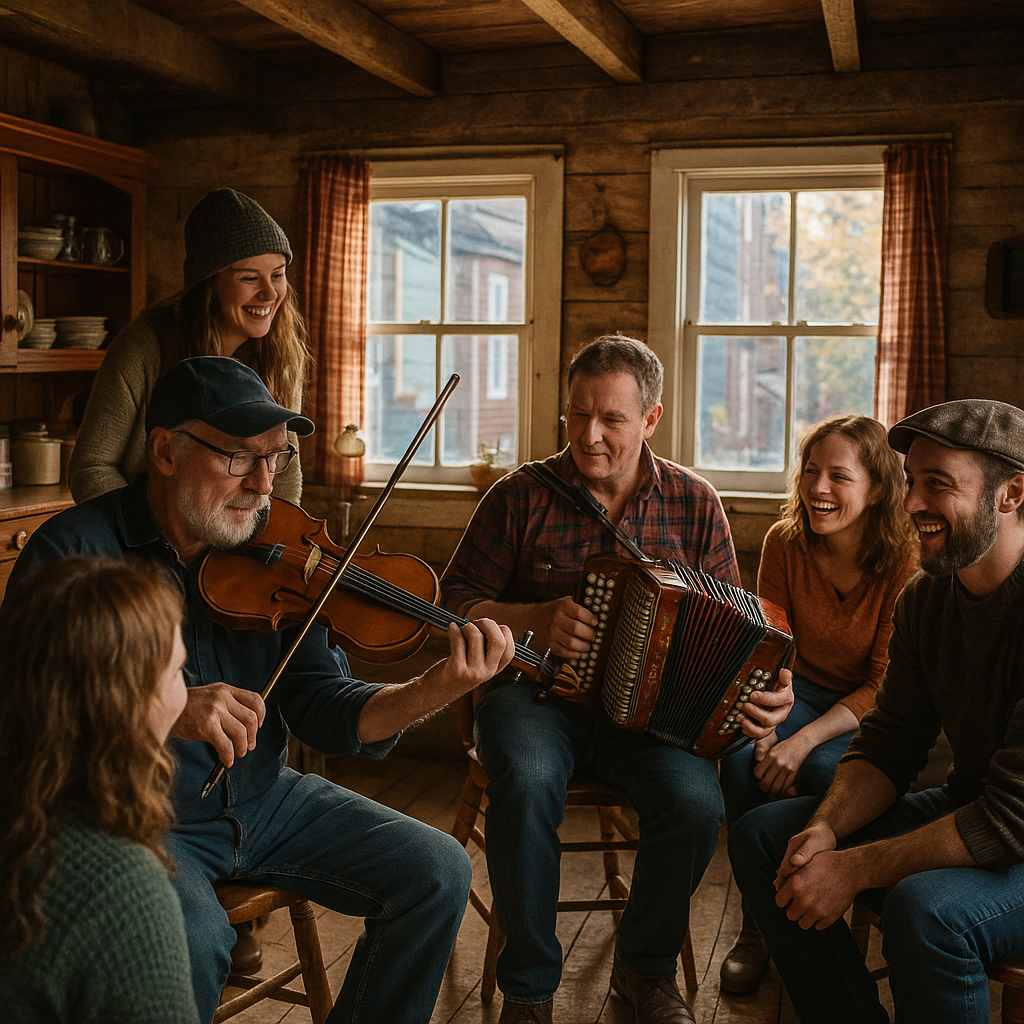
Following the Vikings, English, Irish, French, and Scottish settlers arrived in waves, each group bringing distinctive customs, dialects, and traditions. The Irish influence is especially prominent in Newfoundland’s music, with traditional folk songs, ballads, and instruments like the fiddle and accordion still central to local culture. This musical heritage is often showcased at community events, festivals, and kitchen parties—informal gatherings marked by storytelling, singing, and dancing. The French settlers, primarily along the western coast, contributed to linguistic diversity and culinary traditions that persist in communities such as Port au Port Peninsula. Scottish settlers added to this cultural mosaic through their own music, dance, and religious customs.
One of the most iconic aspects of Newfoundland and Labrador’s cultural identity is its connection to the sea. Fishing has shaped the province’s economy, social life, and traditions for centuries. The cod fishery, once the backbone of the region’s livelihood, influenced settlement patterns and community structures. Even after the cod moratorium in 1992, which had profound economic and social impacts, fishing remains symbolically important. Maritime festivals, regattas, and boat-building traditions celebrate the enduring relationship between people and ocean. The annual St. John’s Regatta, the oldest organized sporting event in North America, exemplifies this connection through its rowing competitions, steeped in history and local pride.
Newfoundland and Labrador’s cultural traditions also include distinctive dialects and storytelling practices. The unique Newfoundland English dialects reflect the region’s diverse settler origins and relative isolation, resulting in a vibrant linguistic heritage. Oral storytelling has long been a cherished form of cultural expression, preserving history, humor, and community values. Folktales, legends, and anecdotes about the sea, weather, and local characters are passed down through generations, often in lively conversational settings. These stories serve not only as entertainment but also as repositories of collective memory and identity.
Religious traditions have historically played a significant role in shaping the province’s culture. Various Christian denominations, including Anglican, Roman Catholic, United Church, and Salvation Army, have established deep roots in communities across Newfoundland and Labrador. Churches often serve as community centers, hosting social events, choirs, and charitable activities. The religious calendar has influenced local customs, with celebrations such as Christmas, Easter, and St. Patrick’s Day observed with distinctive local flavors. Additionally, the province’s Indigenous spirituality continues to be practiced and honored alongside Christian traditions, reflecting a complex spiritual landscape.
Cultural festivals and events throughout the year showcase Newfoundland and Labrador’s heritage and foster community cohesion. The annual George Street Festival in St. John’s, known for its lively music scene, highlights contemporary and traditional performances alike. The Royal St. John’s Regatta and the Iceberg Festival in Twillingate celebrate maritime heritage and natural wonders, blending cultural pride with tourism appeal. Labrador hosts events such as the Labrador Winter Games and Indigenous cultural gatherings, which emphasize athleticism, traditional skills, and cultural exchange. These festivals provide opportunities for locals and visitors to engage with the province’s heritage in meaningful ways.
Art and crafts are another important aspect of Newfoundland and Labrador’s cultural traditions. Indigenous artists create works that reflect their heritage, including carvings, prints, and textiles. Local artisans produce handcrafted items such as hooked rugs, quilts, and pottery, often inspired by the natural environment and historical themes. Museums and galleries across the province preserve and exhibit these cultural artifacts, fostering appreciation and education. The Newfoundland and Labrador Folk Arts Society and other organizations support traditional crafts and music, ensuring that skills and stories continue to be passed on.
In recent decades, there has been a growing emphasis on cultural preservation and revitalization. Efforts by Indigenous groups, cultural institutions, and government agencies aim to safeguard languages, customs, and historical sites. Educational programs in schools include Indigenous history and local heritage, promoting awareness among younger generations. The province’s cultural policies encourage sustainable tourism that respects community values and environmental stewardship. These initiatives underscore the importance of culture as a living, evolving force that connects people to their past and shapes their future.
In summary, the cultural significance and traditions of Newfoundland and Labrador are deeply intertwined with its history, geography, and peoples. From Indigenous roots and Viking landmarks to Irish ballads and maritime customs, the province offers a rich cultural mosaic. This heritage, preserved through storytelling, festivals, art, and community life, continues to define Newfoundland and Labrador as a unique and vibrant part of Canada’s cultural landscape.
Natural Wonders and Wildlife
Newfoundland and Labrador stand out as a remarkable destination where rugged natural beauty intertwines with extraordinary wildlife experiences. This easternmost province of Canada is renowned for its dramatic landscapes, shaped by glaciers and ocean currents, and for its rich biodiversity. Visitors are drawn to the province not only for its historic significance but also for the chance to witness some of the most spectacular natural phenomena and animal life in the North Atlantic.
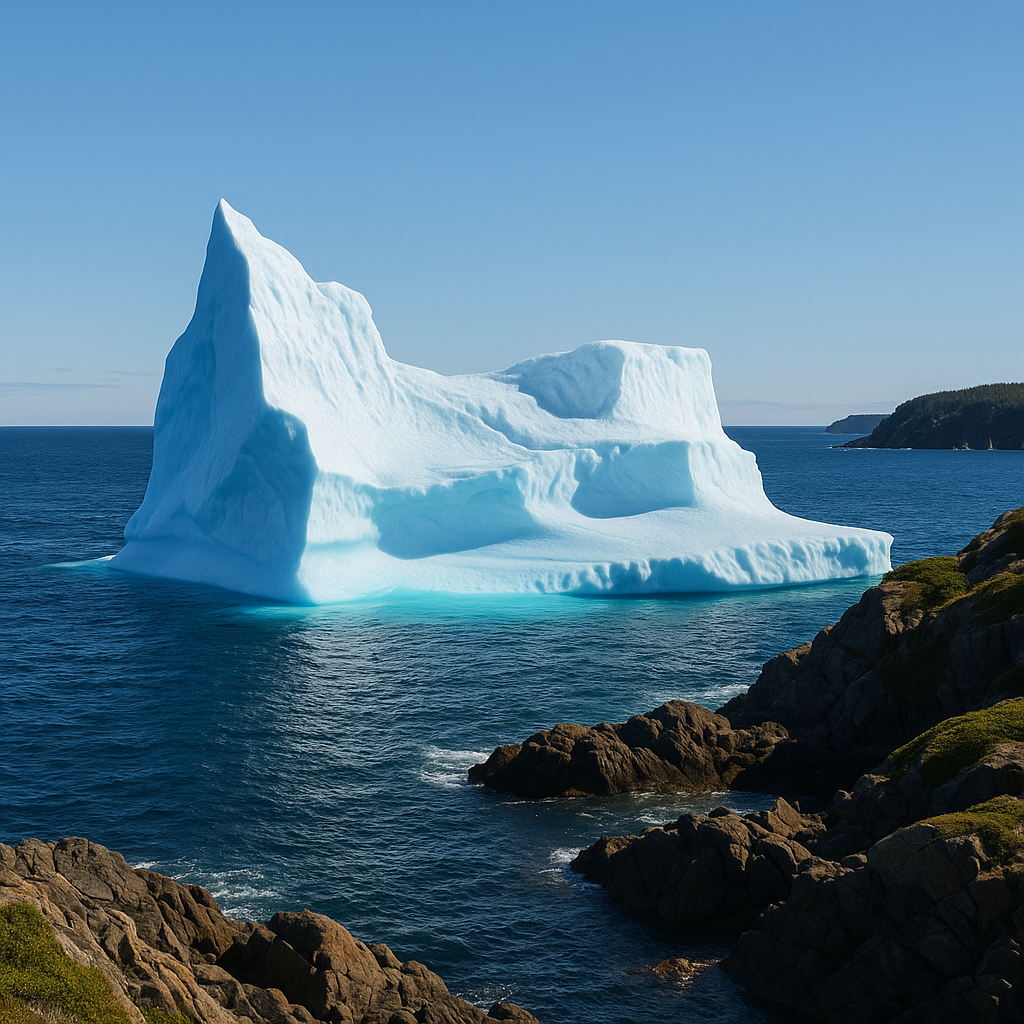
One of the province’s most celebrated natural wonders is the majestic icebergs that drift along the coast each spring and early summer. These colossal blocks of ice calve off from glaciers in Greenland and float southward, often reaching the shores of Newfoundland. The iceberg season typically begins in late March and can last until July, with the peak viewing period in May and June. These towering ice sculptures, some exceeding 100 feet in height, offer a breathtaking sight against the deep blue Atlantic waters. Iceberg Alley, a stretch of coastline along Newfoundland’s east coast, is famed worldwide as a vantage point for iceberg watching. Coastal communities such as Twillingate and Bonavista provide ideal locations for tours and hikes with close-up views of these drifting giants. The icebergs are not only beautiful but also important indicators of climate patterns, making them a subject of scientific study and environmental interest.
Alongside the icebergs, Newfoundland and Labrador’s waters teem with marine life, making whale watching one of the province’s most popular activities. The nutrient-rich waters of the Grand Banks and the Labrador Sea attract a variety of whale species. Humpback whales are the most frequently sighted, known for their impressive breaches and acrobatic displays. Other species commonly observed include minke whales, fin whales, and the occasional blue whale—the largest animal on Earth. The province’s whale watching season runs from June to September, with several operators offering boat tours that provide educational commentary and ensure responsible viewing practices to protect the animals. Notably, the waters around St. Anthony, in northern Newfoundland, are renowned for encounters with humpbacks and orcas. These tours offer a unique chance to observe whales in their natural habitat, often accompanied by seabirds and seals.
In addition to marine mammals, the province boasts a rich diversity of birdlife, particularly seabirds that nest along its coastal cliffs. The Witless Bay Ecological Reserve, located just south of St. John’s, is home to the largest Atlantic puffin colony in North America. Each summer, millions of seabirds gather here, including common murres, razorbills, and kittiwakes. Visitors can take guided boat tours to see puffins nesting in burrows on the rocky islands, creating a vibrant spectacle of black and white plumage dotted with colorful beaks. Birdwatchers and nature lovers find this reserve invaluable for witnessing the life cycles of these iconic seabirds and for understanding the delicate coastal ecosystems they inhabit.
Beyond the coast, Newfoundland and Labrador’s inland wilderness is equally captivating. The province’s vast boreal forests and rugged terrain offer habitats for moose, caribou, black bears, and a variety of smaller mammals. Gros Morne National Park, a UNESCO World Heritage Site, is a prime example of this natural diversity. The park’s fjords, mountains, and forests provide sanctuary for wildlife and opportunities for hiking, kayaking, and photography. Moose are commonly seen along remote roads and trails, while caribou herds migrate through the park seasonally. Black bears, though elusive, are an important part of the ecosystem and contribute to the region’s biodiversity.
The province’s commitment to conservation is evident in its network of protected areas and parks that preserve these natural treasures. The Torngat Mountains National Park in Labrador, for example, protects a vast expanse of tundra and mountainous landscape, offering a glimpse into the Arctic environment. This park is also significant for its cultural heritage, as it lies within the traditional territory of the Inuit and Innu peoples. Visitors to the Torngats can experience guided tours that highlight both the natural and cultural importance of the region, including opportunities to see polar bears and migratory birds.
Newfoundland and Labrador’s natural wonders are not just static landscapes but living ecosystems shaped by centuries of climatic and geological activity. The interaction of the Atlantic Ocean currents with the land creates unique weather patterns and habitats that support diverse flora and fauna. The province’s location at the meeting point of cold and warm ocean currents contributes to its rich marine biodiversity and the seasonal arrival of icebergs. This dynamic environment continues to fascinate scientists and travelers alike.
For practical visitors’ insight, the best time to explore these natural wonders depends on the interests pursued. Iceberg viewing and whale watching are prime in late spring and summer, while bird nesting is most vibrant from May to August. Inland hiking and wildlife observation can be enjoyed throughout the warmer months, with the fall bringing spectacular foliage colors and quieter trails. Proper preparation for variable weather is essential, as coastal fog, sudden rain, and cool temperatures can occur even in summer. Local tour operators and visitor centers provide valuable information and equipment rentals to enhance safe and responsible exploration.
In summary, Newfoundland and Labrador offer a compelling blend of natural wonders and wildlife experiences. From the towering icebergs and majestic whales of the Atlantic coast to the diverse bird colonies and inland forests, this province presents an unparalleled opportunity to connect with nature in its rawest and most inspiring forms. Whether through guided tours or independent exploration, visitors can immerse themselves in a landscape that is as rich in biodiversity as it is in cultural history.
Architectural Styles and Coastal Settlements
Newfoundland and Labrador’s architectural landscape is a vivid testament to its rich history, geographic challenges, and cultural diversity. The province’s coastal settlements, in particular, showcase a unique fusion of practical design and cultural expression shaped by centuries of settlement, fishing traditions, and adaptation to the harsh North Atlantic environment. Exploring these architectural styles provides a window into the lives of the people who have called this rugged land home and reveals the enduring relationship between community, nature, and history.
The architectural identity of Newfoundland and Labrador is closely tied to its status as an island and coastal province, where fishing has long been the economic and social backbone. Early European settlers, primarily from England, Ireland, and France, brought with them building techniques suited to their homelands but adapted these methods to local materials and climatic conditions. The result is a distinctive vernacular architecture characterized by wooden structures, brightly painted exteriors, and practical layouts that respond to the demands of coastal living.
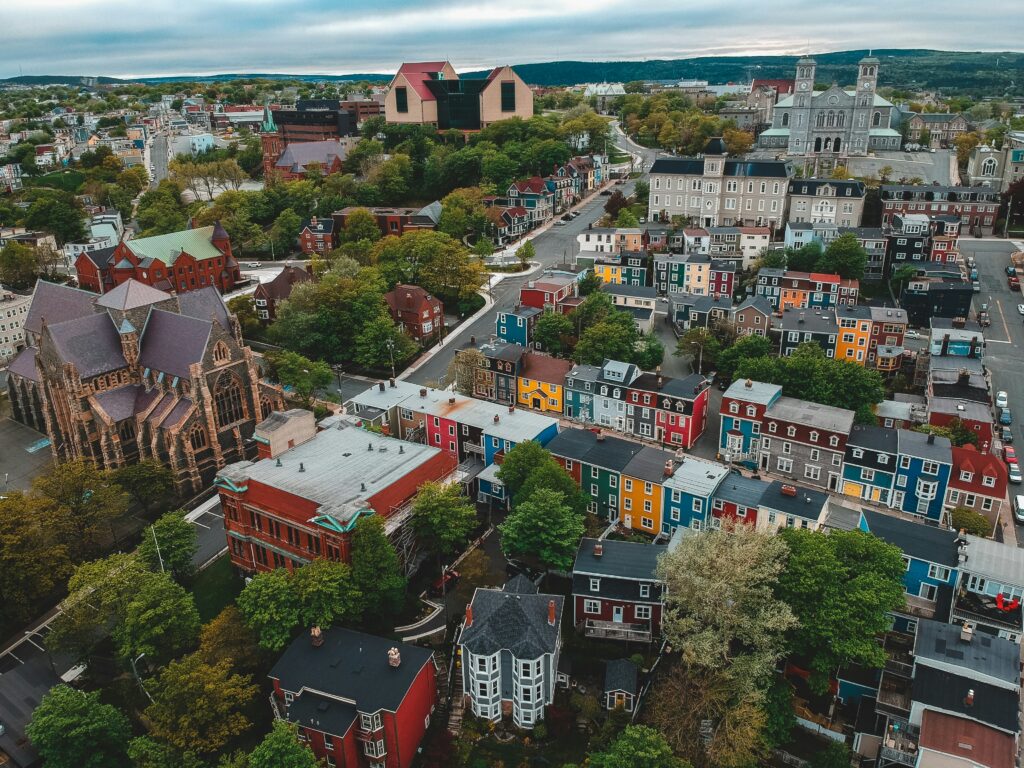
One of the most iconic architectural features of Newfoundland’s coastal communities is the colorful row of “fishing stages” and “salt boxes” lining the waterfronts. Fishing stages are wooden platforms with sheds used historically for processing and drying cod, the foundation of the province’s fishing industry. These structures are elevated on pilings over the water, allowing fishermen to unload their catch directly from boats. Salt boxes, so named for their simple, steeply pitched roofs resembling a traditional saltbox shape, served as storage for fishing gear and salt used in fish preservation. Their practical design reflects the necessity of protecting supplies from harsh weather while maximizing limited space along narrow shorelines.
The houses in these settlements often feature steep gable roofs, which help shed heavy snow during winter, and are built from wood, readily available from the province’s forests. Bright colors—reds, blues, greens, and yellows—are a hallmark of Newfoundland homes, breaking the monotony of the often gray and foggy environment. This tradition, sometimes linked to aiding fishermen in spotting their homes from the sea, also contributes to the picturesque charm for which towns like Trinity, St. John’s, and Twillingate are celebrated. The use of vibrant hues also speaks to the cultural resilience and spirited identity of the island’s inhabitants.
St. John’s, the provincial capital, offers an especially rich architectural tapestry. Jellybean Row, a famous stretch of tightly packed, brightly painted row houses, exemplifies the blending of functional working-class housing with vibrant aesthetic expression. Dating back to the 19th century, these homes reflect the city’s maritime heritage and the multicultural influences that shaped its development. The architecture here is primarily wooden frame construction, with narrow frontages and deep interiors to accommodate large families and adapt to limited urban land.
Beyond residential buildings, Newfoundland and Labrador’s coastal settlements are dotted with lighthouses, churches, and public buildings that reveal additional layers of architectural and cultural history. Lighthouses such as the Cape Spear Lighthouse, the easternmost point in North America, combine utilitarian design with historical significance. Built in the early 19th century, these structures were crucial for safe navigation in the often foggy and iceberg-laden waters. Architecturally, they balance durability with simplicity, typically featuring tapered towers constructed from stone or reinforced concrete, standing tall against the dramatic coastal backdrop.
Religious architecture also plays a prominent role in coastal communities. Roman Catholic and Anglican churches built during the 18th and 19th centuries reflect the dominant faiths of settlers. Many of these churches are modest wooden structures, but some, like the Basilica of St. John the Baptist in St. John’s, demonstrate Gothic Revival influences with pointed arches, stained glass windows, and intricate woodwork. These buildings not only served spiritual needs but also acted as social and cultural hubs, anchoring community life.
The settlement patterns themselves reflect a deep connection to the landscape and the sea. Most coastal communities developed in naturally sheltered coves or bays, where boats could be safely moored and the ocean’s bounty accessed. The layout of these settlements is often irregular, adapted to the rocky terrain and the need for quick access to the shore. Narrow winding streets and clustered homes create intimate neighborhoods that foster strong social bonds, essential for survival in isolated and sometimes harsh conditions.
In Labrador, the architectural story includes the traditions of Indigenous peoples such as the Inuit and Innu, whose seasonal dwellings and use of natural materials add another dimension to the province’s built environment. While modern housing has largely replaced traditional structures, cultural centers and museums preserve and interpret these architectural practices, emphasizing sustainability and harmony with nature.
Contemporary architecture in Newfoundland and Labrador continues to honor these historical and environmental influences. New buildings often incorporate elements such as wood cladding, pitched roofs, and bright colors, blending modern functionality with traditional aesthetics. Efforts to preserve historic buildings and waterfronts are ongoing, supported by local heritage organizations and government initiatives aimed at balancing development with cultural conservation.
For visitors, exploring the coastal settlements of Newfoundland and Labrador offers more than scenic beauty; it provides an immersive experience in a living history where architecture narrates stories of exploration, endurance, and community. Whether wandering the streets of a small fishing village or admiring the stately buildings of St. John’s, the architectural styles encountered reveal a profound dialogue between people and place, shaped by time, necessity, and identity.
Visitor Experience and Activities
Newfoundland and Labrador offer visitors a unique blend of natural wonders, rich history, and vibrant culture, creating an unforgettable travel experience. From the dramatic icebergs drifting along the coastline to the majestic whales breaching in the Atlantic waters, this province invites exploration and adventure in every season. The visitor experience here is shaped by both the rugged landscape and the warm hospitality of its people, providing an immersive journey into one of Canada’s most captivating regions.
One of the most iconic activities in Newfoundland and Labrador is iceberg viewing. Each spring and early summer, massive icebergs calve from the glaciers of Greenland and drift south along the Labrador Current. These towering natural sculptures can be seen from several coastal communities, including Twillingate, St. Anthony, and Bonavista. Twillingate, often called the “Iceberg Capital of the World,” is particularly popular for its accessible viewing points and guided boat tours that allow visitors to get safely close to these majestic ice formations. The sheer size and glistening white and blue hues of the icebergs, set against the backdrop of the Atlantic Ocean and rugged coastline, create a breathtaking spectacle that is both humbling and awe-inspiring.
Whale watching is another highlight of the visitor experience. The waters surrounding Newfoundland and Labrador are home to a variety of whale species, including humpback, minke, fin, and the elusive North Atlantic right whale. The best time for whale watching is from June to September when these giants migrate through the region’s nutrient-rich waters. Boat tours depart from towns such as St. John’s, Bonavista, and Gros Morne National Park, offering expert-guided excursions that emphasize responsible wildlife viewing. These tours provide not only thrilling encounters but also educational insights into whale behavior, conservation efforts, and the ecological importance of these marine mammals.
For those interested in history, Newfoundland and Labrador present an extraordinary opportunity to explore Viking heritage. The Norse site at L’Anse aux Meadows, a UNESCO World Heritage Site located at the northern tip of Newfoundland, is the only confirmed Viking settlement in North America. Visitors can walk among the reconstructed sod buildings, explore the archaeological remains, and learn about the life of the Vikings who arrived around 1,000 years ago. The site’s visitor centre offers detailed exhibits and interactive displays that bring the Viking era to life, highlighting its significance in the broader context of European exploration of the New World.
Beyond these marquee attractions, the province offers a wide range of activities that showcase its natural beauty and cultural traditions. Hiking enthusiasts can explore extensive trail networks, such as those in Gros Morne National Park, where fjords, mountains, and coastal cliffs provide dramatic scenery and opportunities to observe local flora and fauna. The East Coast Trail near St. John’s is another favorite, featuring rugged coastal paths that connect small fishing villages and offer stunning ocean views. Many trails are well-marked and accessible, catering to both casual walkers and experienced hikers.
Fishing and seafood experiences are integral to the local culture and a must for visitors. The communities along the coast have preserved traditional fishing methods and celebrate their maritime heritage through festivals and culinary events. Sampling fresh cod, lobster, crab, and mussels is a highlight of any visit, with many restaurants emphasizing sustainable practices and local sourcing. Visitors can also participate in fishing excursions or visit processing plants and fish markets to gain firsthand understanding of this vital industry.
Cultural events and festivals provide another layer of engagement for travelers. Newfoundland and Labrador is known for its lively music scene, which blends Irish, English, and Indigenous influences. The annual George Street Festival in St. John’s is one of the largest outdoor music events in Atlantic Canada, featuring local and national artists performing traditional folk, rock, and contemporary genres. Smaller communities host their own celebrations, often centered around traditional storytelling, dance, and crafts. These events offer visitors the chance to connect with the local people and experience the province’s distinctive cultural identity.
Winter visitors are not left wanting, as the province transforms into a snowy playground. Activities such as snowmobiling, cross-country skiing, and ice fishing are popular, especially in Labrador and the interior regions. The Northern Lights, or Aurora Borealis, can sometimes be seen in the northern parts during clear winter nights, adding a magical dimension to the cold season experience. Iceberg viewing can also continue into early winter along some parts of the coast, depending on weather conditions.
Accommodation options in Newfoundland and Labrador range from charming bed and breakfasts and historic inns to modern hotels and eco-friendly lodges. Many places emphasize local character and personalized service, enhancing the feeling of connection to the land and its people. Visitors are encouraged to explore smaller communities off the beaten path to discover hidden gems and authentic experiences that reflect the province’s spirit.
In planning a visit, it is important to consider seasonal variations. Summer offers the best weather for outdoor activities and wildlife viewing, while shoulder seasons in spring and fall provide fewer crowds and unique natural phenomena such as bird migrations and changing foliage. Winter offers adventure sports and the chance to witness northern lights but requires proper preparation for cold temperatures and variable conditions.
Overall, Newfoundland and Labrador provide a rich visitor experience that combines awe-inspiring natural sights, deep historical roots, and a vibrant, welcoming culture. Whether drawn by the towering icebergs, the playful whales, or the echoes of Viking explorers, travelers will find a destination that rewards curiosity and invites exploration at every turn.
Best Time to Visit and Seasonal Highlights
Newfoundland and Labrador, Canada’s easternmost province, offers a unique blend of natural wonders, rich cultural history, and vibrant wildlife. Because of its position in the North Atlantic and its varied geography, the timing of a visit plays a crucial role in shaping the traveler’s experience. Understanding the best time to visit and the seasonal highlights helps maximize the opportunities to witness the province’s renowned icebergs, observe majestic whales, and explore its fascinating Viking heritage.
The climate of Newfoundland and Labrador is characterized by a maritime influence, which means cooler summers and milder winters compared to continental climates, but with significant regional variation. The province’s weather can be unpredictable, particularly along the coast, with frequent fog, rain, and wind. However, each season brings its own distinct attractions and activities, making the province a year-round destination for different types of visitors.
Spring, from April to June, is a quieter shoulder season but marks the gradual awakening of the landscape. Snow melts, and wildflowers begin to bloom in inland areas such as Gros Morne National Park. Migratory birds return, making it an excellent time for birdwatching enthusiasts. While iceberg sightings are less common in spring, early season visitors may still catch glimpses of these floating giants along the northern coasts, particularly around Twillingate, often called the “Iceberg Capital of the World.” Whale watching tours begin to operate in late spring, as humpbacks and minkes return to feed in the nutrient-rich waters. This season is ideal for travelers seeking fewer crowds and a more tranquil experience, though weather remains variable, so packing layers and waterproof gear is advisable.
Summer, spanning July and August, represents the peak tourist season in Newfoundland and Labrador. This period offers the warmest and most stable weather, with average daytime temperatures ranging from 15°C to 20°C (59°F to 68°F), making outdoor exploration comfortable. The extended daylight hours, often reaching up to 16 hours, provide ample time for sightseeing and participating in cultural events. Summer is the prime time for iceberg viewing, particularly in early July when icebergs drift southward along the coast from Greenland. Communities such as St. Anthony, located near L’Anse aux Meadows, provide excellent vantage points and guided tours.
Whale watching reaches its height during these months, with multiple species including humpback whales, fin whales, and orcas frequently seen in the waters around the province. Boat tours depart from locations like Bay Bulls and St. John’s, offering close encounters with these marine mammals. Additionally, summer is when many of Newfoundland and Labrador’s vibrant festivals take place, celebrating everything from traditional music to the province’s unique heritage. For history buffs, this season also allows easy access to L’Anse aux Meadows National Historic Site, the only confirmed Viking settlement in North America and a UNESCO World Heritage Site, where visitors can explore reconstructed Norse buildings and learn about Viking exploration.
Autumn, from September to November, is a transitional season marked by stunning natural colors and cooler temperatures. The fall foliage paints the forests in hues of red, orange, and gold, particularly in inland regions like Terra Nova National Park. This time of year is less crowded, offering a more peaceful atmosphere for hiking, photography, and wildlife viewing. As the water cools, the presence of icebergs diminishes, but some late-season sightings are still possible along northern coasts.
Whale activity decreases as many species begin their migration to warmer waters, but seals and seabirds remain active, providing alternative wildlife viewing opportunities. Harvest festivals and cultural events celebrate the province’s fishing heritage and local cuisine, allowing visitors to engage with the community and sample traditional dishes. Autumn weather can be crisp and sometimes rainy, so visitors should prepare for variable conditions, but the scenic beauty and quieter trails make this an appealing time for nature lovers.
Winter, December through March, is the coldest and most challenging season for travel in Newfoundland and Labrador, with temperatures often dropping below freezing and frequent snowfall. Coastal areas experience strong winds and winter storms, while inland regions see substantial snow accumulation. Despite the harsh weather, winter offers unique experiences for adventurous travelers. The province’s rugged landscape becomes a playground for snowmobiling, cross-country skiing, and ice fishing.
Icebergs are generally absent during these colder months, having retreated northward, but the opportunity to witness the northern lights occasionally arises, particularly in Labrador, where dark winter skies are ideal for this natural spectacle. Winter festivals, such as the St. John’s Winter Carnival, celebrate the season with local traditions, music, and outdoor activities. Visitors interested in cultural immersion and winter sports will find this season rewarding, although travel logistics require more careful planning due to weather-related challenges.
In summary, the best time to visit Newfoundland and Labrador depends largely on the traveler’s interests. Summer offers the most reliable weather and a full slate of cultural and natural attractions, including iceberg and whale watching as well as Viking history exploration. Spring and autumn provide quieter, scenic experiences with opportunities for wildlife observation and cultural engagement. Winter, while demanding, opens the door to unique seasonal activities and the chance to experience the province’s resilient spirit in a more intimate way.
To plan effectively, visitors should consider local weather patterns, daylight hours, and the timing of specific natural phenomena. Booking tours and accommodations in advance is advisable during peak summer months. Regardless of the season, Newfoundland and Labrador’s unparalleled combination of natural beauty and historical significance ensures a memorable visit.
A wide-angle, daylight photograph capturing a massive iceberg drifting near Twillingate, Newfoundland, from an elevated coastal viewpoint. The scene shows the iceberg’s intricate textures and towering presence against a clear blue sky, with rugged coastline and small fishing boats in sharp focus, emphasizing the region’s iconic iceberg-watching experience during early summer.
Travel Access and Local Transportation
Newfoundland and Labrador, Canada’s easternmost province, presents a unique blend of rugged landscapes, rich history, and vibrant communities. Its geographical position on the edge of the Atlantic Ocean and its vast, often remote terrain pose particular considerations for travel access and local transportation. Understanding these elements is essential for visitors seeking to fully experience the province’s distinctive offerings, from iceberg sightings to Viking heritage sites.
Accessing Newfoundland and Labrador
The province is divided into two main parts: the island of Newfoundland and the mainland region of Labrador. Each area has distinct entry points and transportation infrastructure.
For most travelers, access begins via air travel. The primary gateway to Newfoundland is St. John’s International Airport (YYT), located near the capital city, St. John’s. This airport offers regular flights from major Canadian hubs such as Toronto, Montreal, and Halifax, as well as seasonal flights from select U.S. cities. The airport is well-equipped with modern amenities and car rental services, providing convenient options for onward travel.
Other significant airports on the island include Gander International Airport (YQX), historically known for transatlantic flights, and Deer Lake Regional Airport (YDF), which serves the western part of Newfoundland. These airports accommodate domestic flights primarily and offer connections to the island’s smaller communities.
Labrador is accessible by air through airports such as Goose Bay (YYR), Happy Valley-Goose Bay being the largest community there. Air travel is often the most practical way to reach Labrador due to the extensive distances and limited road connectivity.
For those interested in a more scenic and adventurous entry, ferry services play a crucial role. The Marine Atlantic ferry operates between North Sydney, Nova Scotia, and Port aux Basques or Argentia in Newfoundland. The Port aux Basques route, in particular, is the main entry point by sea and offers a roughly 6 to 8-hour crossing across the Gulf of St. Lawrence. This ferry accommodates vehicles and passengers and is a favored option for those traveling with cars or larger groups. The Argentia ferry, more seasonal and less frequent, provides service to the Avalon Peninsula, closer to St. John’s.
In Labrador, ferry services connect communities along the coast and provide vital links across water channels, though they are less commonly used by visitors entering the province.
Road Network and Driving Conditions
Once on the island of Newfoundland, the Trans-Canada Highway (Route 1) serves as the backbone of road travel, stretching approximately 900 kilometers from Port aux Basques on the southwest coast to St. John’s in the east. This highway is well-maintained and generally accessible year-round, though winter weather can occasionally create challenging conditions, especially in more exposed areas.
Driving in Newfoundland offers a remarkable way to explore at one’s own pace, with the freedom to visit coastal villages, national parks, and historical sites. The terrain varies from rolling hills and dense forests to rugged coastlines, and travelers should be prepared for narrow, winding roads in rural sections.
Local highways and secondary roads branch off the main route, leading to key tourist destinations such as Gros Morne National Park, L’Anse aux Meadows (the UNESCO World Heritage Viking site), and the scenic East Coast Trail. Road signage is clear, and fuel stations are generally available in towns, though some remote areas require careful planning for refueling.
In Labrador, the road network is less developed. The Trans-Labrador Highway, completed in recent years, connects several communities and links to the Quebec road system. However, many parts of Labrador remain accessible only by air or water. Visitors intending to explore Labrador should prepare for rugged conditions and limited services.
Public Transportation and Shuttle Services
Public transportation options within Newfoundland and Labrador are limited, particularly outside of St. John’s. The capital city offers a local bus service operated by Metrobus, which covers many urban neighborhoods and some suburban areas. This service is affordable and efficient for visitors staying within the city.
Outside of St. John’s, public transit is scarce, and most residents and travelers rely on private vehicles or taxis. Some communities have local shuttle services or regional buses, but these are infrequent and not typically suitable for tourists seeking flexible travel.
Several tour operators provide shuttle and guided transportation services to popular attractions. For example, companies run scheduled tours to see iceberg routes along the northern coastline or whale-watching excursions departing from towns like Twillingate and Bonavista. These organized options often include transportation from major centers and are ideal for visitors without their own vehicles.
Marine Transport and Coastal Travel
Given the province’s extensive coastline, marine travel remains an important mode of transportation. Besides the Marine Atlantic ferries, smaller passenger and vehicle ferries connect various islands and isolated coastal communities.
The province’s fishing heritage and maritime culture are evident in the number of local ferry routes. For instance, residents and tourists use ferries to reach Fogo Island and Change Islands off Newfoundland’s northeast coast. These ferries are vital lifelines, operating year-round and accommodating cars and foot passengers.
Kayaking, boat tours, and whale-watching cruises are popular recreational marine activities. Commercial operators often provide vessels with modern safety standards and knowledgeable guides, enhancing the visitor experience on the water.
Seasonal and Weather Considerations
Newfoundland and Labrador’s climate varies significantly with the seasons, and this influences travel access and transportation options. Winters can be harsh, with snow, ice, and occasional storms affecting road and ferry operations. Visitors planning a winter trip should monitor local weather reports and be prepared for potential delays or route closures.
In contrast, the summer months provide the most reliable conditions for travel. Longer daylight hours and milder weather make driving, hiking, and marine activities more accessible. Many ferry services increase frequency during peak tourist season to accommodate demand.
Spring and fall offer quieter times to visit but may include variable weather that can impact travel plans. Travelers are advised to check schedules for ferries and tours in advance, as some services operate seasonally.
Accessibility and Special Considerations
Efforts have been made by provincial authorities to improve accessibility for travelers with mobility challenges. Major airports, including St. John’s International, provide accommodations such as wheelchair assistance and accessible restrooms.
On land, many newer accommodations, visitor centers, and museums comply with accessibility standards. However, some historic sites and natural trails may present physical challenges due to their terrain or age.
Public transportation remains limited in terms of accessibility outside urban areas, so travelers with special needs may find renting a vehicle or arranging private transportation the most practical option.
Summary
Travel access and local transportation in Newfoundland and Labrador reflect the province’s expansive geography, coastal setting, and cultural heritage. Air travel and ferry services form essential gateways, while the Trans-Canada Highway and local roads facilitate exploration across the island and into Labrador. Though public transit options are limited, a well-developed network of shuttle services and tour operators helps visitors connect with key destinations. Awareness of seasonal conditions and planning for accessibility will enhance the travel experience, allowing for safe and enjoyable discovery of this unique province.
Preservation Efforts and Sustainable Tourism
Newfoundland and Labrador, with its striking landscapes, rich biodiversity, and deep historical roots, has become a focal point for preservation and sustainable tourism initiatives. These efforts are essential to safeguarding the province’s unique natural and cultural heritage while supporting a growing visitor economy. Understanding the strategies in place and the challenges faced reveals how this Atlantic Canadian province balances environmental stewardship with community well-being and tourism development.
The natural environment of Newfoundland and Labrador is both fragile and exceptional. The province is home to some of the world’s most accessible icebergs drifting along the coast, vital whale populations, and expansive wilderness areas. Recognizing the ecological significance, government bodies, Indigenous groups, and environmental organizations have established protected areas such as Gros Morne National Park, a UNESCO World Heritage Site, and the Witless Bay Ecological Reserve. These sites serve as critical habitats for species like the endangered North Atlantic right whale and the iconic humpback whale. Strict regulations govern human activity here, including limits on boat traffic near whale feeding grounds and guidelines to minimize disturbance to nesting seabirds.
Sustainable tourism in Newfoundland and Labrador encourages visitors to engage with nature responsibly. Many tour operators adhere to codes of conduct designed to reduce environmental footprints. Whale-watching excursions, for example, operate under strict distance and speed restrictions to avoid stressing marine mammals. Similarly, iceberg viewing tours emphasize education about the impacts of climate change and the importance of ocean conservation. The provincial government supports these initiatives through training programs that help guides communicate conservation messages effectively, enhancing visitor awareness and fostering a culture of respect for the environment.
Cultural preservation is equally prioritized in the province’s tourism strategy. Newfoundland and Labrador’s Viking heritage, notably at L’Anse aux Meadows, represents the only confirmed Norse site in North America. Protecting this archaeological treasure involves careful site management and restrictions on visitor numbers to prevent erosion and degradation. The site is managed in collaboration with Indigenous communities and heritage experts, ensuring that tourism development respects both historical authenticity and contemporary cultural sensitivities. Alongside this, efforts to preserve traditional music, crafts, and storytelling help maintain living cultural expressions that enrich the visitor experience while supporting local artisans.
Community involvement plays a central role in sustainable tourism development. Many small towns and Indigenous communities have become stewards of their natural and cultural resources by developing tourism enterprises that align with conservation goals. For instance, eco-lodges and community-run tours provide authentic experiences while generating economic benefits locally. These initiatives often feature partnerships between government, NGOs, and private stakeholders, emphasizing capacity building and knowledge sharing. This collaborative approach ensures that tourism growth does not come at the expense of environmental health or social cohesion.
Education and research underpin many preservation efforts in Newfoundland and Labrador. Institutions such as Memorial University conduct ongoing studies on marine ecosystems, climate impacts, and heritage conservation. Their findings inform adaptive management strategies that respond to emerging threats like ocean acidification and increased visitor pressure. Public education campaigns also promote awareness of sustainable practices among tourists and residents alike, fostering a shared responsibility for the province’s natural and cultural assets.
Challenges remain in fully achieving sustainable tourism goals. Climate change poses a significant threat, affecting iceberg patterns, sea levels, and wildlife behavior. Infrastructure limitations in remote areas can lead to localized environmental stress when visitor numbers surge seasonally. Balancing economic development with preservation requires continuous monitoring and policy adjustments. Nevertheless, Newfoundland and Labrador’s commitment to integrating sustainability into tourism planning positions it as a model for responsible travel destinations.
In conclusion, the preservation efforts and sustainable tourism initiatives in Newfoundland and Labrador are integral to maintaining the province’s extraordinary landscapes, wildlife, and cultural heritage. Through protected areas, community engagement, education, and careful management, this region demonstrates how tourism can support conservation and local livelihoods simultaneously. Visitors are encouraged to participate in these efforts by choosing environmentally responsible tours, respecting wildlife guidelines, and appreciating the rich cultural narratives that define Newfoundland and Labrador.
Image Prompt: Realistic travel photograph of the iceberg-laden coastline near Twillingate, Newfoundland, captured during natural daylight. The wide-angle shot showcases towering icebergs drifting close to shore with rugged cliffs and traditional fishing stages in the foreground. The composition highlights the vibrant blues and whites of the ice against the deep green landscape, with sharp focus and professional framing emphasizing the region’s iconic iceberg viewing experience.
Conclusion
Exploring Newfoundland and Labrador offers a captivating journey through some of Canada’s most remarkable natural and cultural landscapes. From the awe-inspiring sight of towering icebergs drifting along the coastline to the majestic presence of whales breaching in the Atlantic waters, this region invites travelers to connect deeply with the environment. The rich Viking heritage adds a unique historical dimension, reminding visitors of the enduring human stories that have shaped this land. Together, these elements create a travel experience that is both enriching and unforgettable.
As you plan your adventure using this Newfoundland and Labrador travel guide, it is essential to approach your visit with respect and awareness. Responsible travel ensures that the fragile ecosystems, wildlife habitats, and cultural sites remain preserved for generations to come. By following local guidelines, supporting community-based tourism, and minimizing environmental impact, visitors contribute positively to the sustainability of this extraordinary destination.
Ultimately, Newfoundland and Labrador is more than just a place to see—it is a destination to experience thoughtfully and fully. The combination of natural wonders and deep-rooted history offers a chance to broaden your perspective and foster a genuine appreciation for the world’s diverse heritage. Embracing this journey with an open heart and mindful attitude will leave you inspired and eager to share the stories and beauty of this unique corner of the world. Your trip here promises not only memorable sights but also meaningful connections that resonate long after you return home.
More reference links: Newfoundland and Labrador Tourism official website
Is Newfoundland and Labrador safe for tourists?
Yes, Newfoundland and Labrador is generally very safe for travelers. The province has low crime rates and a friendly, welcoming community. However, as with any travel destination, it’s important to take standard precautions such as securing your belongings, being cautious in isolated areas, and following local safety advice, especially when hiking or boating near icebergs and whale-watching spots.
What is the best time of year to visit Newfoundland and Labrador?
The best time to visit is from late spring through early fall (May to September). This period offers milder weather, longer daylight hours, and better chances to see icebergs and whales. Summer months provide festivals and cultural events, while early fall brings beautiful foliage. Winter visits are less common due to cold temperatures and limited accessibility.
How much should I budget for a trip to Newfoundland and Labrador?
Budgeting depends on your travel style. On average, daily costs can range from $100 to $200 CAD per person, including accommodation, meals, and activities. Dining out tends to be moderately priced, with local seafood being a highlight. Booking accommodations and tours in advance can help manage costs, especially during peak season.
What local foods should I try in Newfoundland and Labrador?
Seafood is a must-try, including cod, mussels, and lobster. Traditional dishes like Jiggs’ dinner (a boiled salt beef and vegetables meal) and toutons (fried bread dough) offer authentic local flavors. Don’t miss sampling partridgeberry jam or screech rum for a taste of regional specialties.
Are Newfoundland and Labrador’s main attractions accessible for travelers with mobility issues?
Many popular sites have made efforts to improve accessibility, including visitor centers and some walking trails. However, due to the rugged terrain and historic sites, not all areas are fully accessible. It’s advisable to check specific locations in advance and plan accordingly, especially for outdoor activities like whale watching or iceberg viewing.
How far in advance should I plan my trip to Newfoundland and Labrador?
Planning at least three to six months ahead is recommended, particularly for summer travel. This allows time to secure accommodations, book popular tours, and arrange transportation. Early planning also helps in managing budget and itinerary details, especially if you want to explore remote areas or participate in seasonal events.
What transportation options are available within Newfoundland and Labrador?
Driving is the most convenient way to explore the province, offering flexibility to visit remote sites. Rental cars are widely available in major towns. Public transportation is limited outside urban centers, so consider guided tours or organized excursions if you prefer not to drive.
Is it necessary to book whale-watching and iceberg tours in advance?
Yes, booking in advance is strongly recommended, especially during peak season from June to August. Tours can fill up quickly due to high demand and limited daily departures. Reserving early ensures availability and better chances of experiencing these natural wonders.
Can I use my mobile phone and internet easily in Newfoundland and Labrador?
Mobile coverage is generally good in towns and along major highways, but it can be spotty or unavailable in remote or coastal areas. Many accommodations and cafes offer Wi-Fi, but travelers should prepare for limited connectivity when exploring more isolated regions.
Are there any health precautions or vaccinations needed before traveling?
No special vaccinations are required for visiting Newfoundland and Labrador. It’s advisable to have routine immunizations up to date. Travelers should also prepare for changing weather conditions and bring appropriate clothing for outdoor activities. Access to healthcare facilities is good in urban centers but limited in remote communities.