Practical Travel Tips for 2026: What Every Traveler Needs to Know
Recently updated on February 1, 2026
Total words: 5912
Introduction
As travel continues to evolve with new trends, technologies, and global considerations, staying informed is essential for every traveler. Whether you are planning a quick city break or an extended international journey, having the right travel tips for 2026 can make a significant difference in your overall experience. From navigating updated safety protocols to understanding local regulations and making the most of modern conveniences, practical advice tailored to the current travel landscape helps ensure smooth and enjoyable trips.
In 2026, travelers face a dynamic environment shaped by ongoing changes in transportation, accommodation options, and cultural expectations. Being prepared means more than just packing your bags; it involves researching destinations, staying aware of health recommendations, and embracing sustainable travel practices. These factors contribute not only to your personal comfort but also to responsible tourism that benefits the places you visit.
This guide offers essential insights to help you confidently explore some of the world’s most iconic cities, including Paris, Tokyo, New York City, Rome, Sydney, and Cape Town. Each destination presents unique opportunities and challenges, and understanding practical tips relevant to these urban centers can enhance your journey. From efficient ways to get around to cultural etiquette and must-know local information, this resource aims to equip you with the knowledge needed to travel smarter in 2026.
By keeping up with the latest updates and adopting sensible travel habits, you can reduce stress, avoid common pitfalls, and make the most of your adventures. Whether you are a seasoned traveler or embarking on your first international trip, these travel tips for 2026 will help you navigate the complexities of modern travel with confidence and ease.
Table of Content
- Paris
- Tokyo
- New York City
- Rome
- Sydney
- Cape Town
- Conclusion
- FAQs
Paris
Overview – Why this destination is special
Paris, often called the “City of Light,” is one of the most iconic and beloved travel destinations in the world. Renowned for its timeless charm, stunning architecture, and vibrant cultural scene, Paris offers a blend of history, art, cuisine, and romance that appeals to a wide variety of travelers. From leisurely walks along the Seine to world-class museums and elegant cafés, the city provides an unforgettable experience that combines tradition with modern urban life.
Historical and cultural significance
Paris has played a central role in European history for centuries, serving as the capital of France and a hub of political, intellectual, and artistic movements. The city’s rich heritage includes landmarks such as the Notre-Dame Cathedral, the Louvre Museum (home to thousands of works including the Mona Lisa), and the Palace of Versailles nearby. Paris was a focal point during the French Revolution and has inspired countless writers, painters, and philosophers. Today, it remains a global center for fashion, gastronomy, and the arts, with a cultural influence that extends far beyond its borders.
Geography and natural features
Situated in northern France along the banks of the Seine River, Paris is characterized by its relatively flat landscape and picturesque riverbanks. The city’s layout features distinct arrondissements, or districts, arranged in a spiral pattern from the center outward. Parks and gardens such as the Luxembourg Gardens and the Tuileries provide green spaces amid the urban environment. The Seine itself is a defining natural feature, offering scenic boat tours and charming bridges that connect the city’s historic quarters.
Best time to visit
Choosing the best time to visit Paris depends on your preferences for weather, crowds, and activities. The city enjoys a temperate climate with mild winters and warm summers, making it accessible year-round.
– Best months: May to June and September to October
– Weather conditions: Pleasant temperatures, generally mild spring and autumn; warmer but sometimes crowded summer months; cold and rainy winter season
– Peak vs off-season: Peak tourist season is summer (July and August); quieter and often less expensive visits occur in late autumn and winter (November to February)
– Ideal traveler types: Families enjoy spring and summer for outdoor activities; photographers benefit from the soft light in autumn; culture enthusiasts may prefer winter for museum visits with fewer crowds
How to get there (international + local)
Paris is one of Europe’s best-connected cities, accessible by multiple modes of transportation both internationally and locally.
– Nearest international airport: Charles de Gaulle Airport (CDG), approximately 25 kilometers northeast of the city center; also Orly Airport (ORY) for some international and domestic flights
– Major cities connected: Direct flights from New York, London, Tokyo, Dubai, and many other global hubs; high-speed train (TGV) connections to cities like London, Brussels, Amsterdam, and Lyon
– Train / bus options: Extensive train network with Gare du Nord, Gare de Lyon, and Gare Saint-Lazare serving domestic and international routes; numerous long-distance and regional buses available
– Local transport tips: Paris Métro is the most efficient way to navigate the city with 16 lines; buses and RER commuter trains supplement coverage; consider purchasing a Paris Visite pass for unlimited travel
Local food and drink
Paris is synonymous with exquisite French cuisine, offering everything from classic bistros to Michelin-starred restaurants. Popular staples include freshly baked baguettes, croissants, and pastries like pain au chocolat. Traditional dishes such as coq au vin, boeuf bourguignon, and escargots reflect regional influences. The city’s cafés serve as cultural hubs for sipping espresso or enjoying a glass of wine. Paris is also famous for its cheese varieties and vibrant markets where fresh produce and artisanal goods are widely available.
Festivals and cultural events
Throughout the year, Paris hosts numerous events celebrating art, music, and heritage. Notable festivals include Bastille Day on July 14, featuring military parades and fireworks; Nuit Blanche, an all-night arts festival in October; and Paris Jazz Festival in the summer months. The Paris Fashion Week draws international attention biannually, showcasing cutting-edge design. Seasonal Christmas markets and open-air cinema events add to the city’s lively cultural calendar.
Safety and practical travel tips
Paris is generally safe for tourists but, like any major city, requires some vigilance. Pickpocketing can be common in crowded areas and on public transport, so keep valuables secure. Use licensed taxis or ride-sharing services late at night. Emergency services are reachable by dialing 112. Travelers should learn basic French phrases to facilitate communication, especially outside tourist zones. It is advisable to carry a copy of your passport and travel insurance details and to stay informed about local regulations or strikes that may affect transit.
Responsible travel and sustainability
Paris has made significant efforts toward sustainability, including expanding pedestrian zones and promoting cycling with extensive bike lanes and rental services like Vélib’. Visitors are encouraged to use public transportation and reduce waste by utilizing reusable water bottles and bags. Many museums and landmarks participate in energy-saving initiatives, and eco-friendly accommodations are increasingly available. Respect for local customs, mindful consumption, and supporting local businesses contribute to responsible tourism in the city.
A wide-angle, street-level photograph of the Eiffel Tower viewed from the Champ de Mars park in Paris during golden hour. The scene captures warm natural daylight illuminating the iron lattice structure with clear blue skies. Visitors stroll on the manicured lawns, framed by leafy trees, highlighting a classic and iconic Parisian landmark with sharp focus and balanced composition.
Tokyo
Overview – Why this destination is special
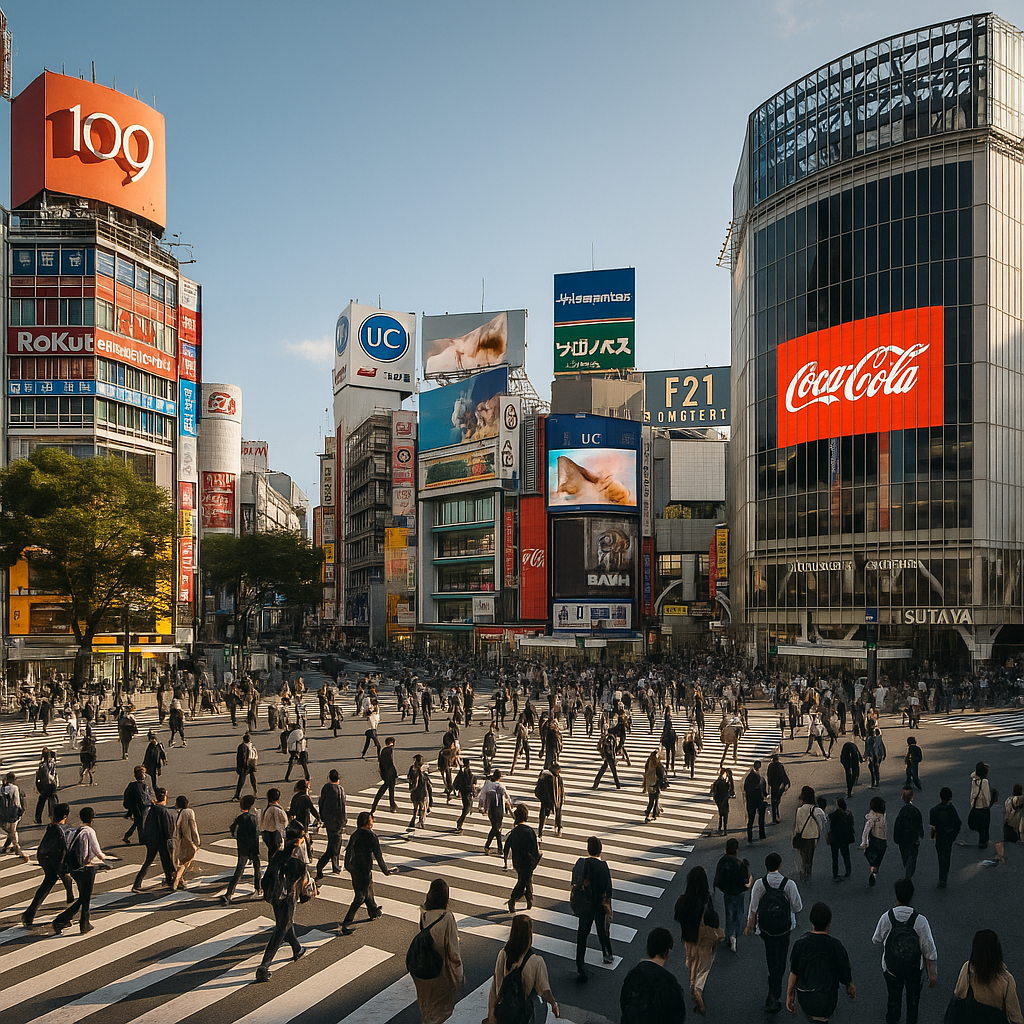
Tokyo, Japan’s bustling capital, is a captivating blend of ultramodern innovation and rich tradition. Known for its towering skyscrapers, vibrant pop culture, and serene historic sites, Tokyo offers travelers an unparalleled urban experience. The city’s efficient public transportation and diverse attractions make it a must-visit destination for first-time visitors and seasoned travelers alike, offering a unique glimpse into one of the world’s most dynamic metropolises.
Historical and cultural significance
Tokyo’s history dates back to the early 17th century when it was known as Edo, a small fishing village that became the seat of power for the Tokugawa shogunate. The city’s transformation into the nation’s political and cultural center continued through the Meiji Restoration and into the modern era. Today, Tokyo embodies a fusion of the old and new, where historic temples like Sensō-ji stand alongside futuristic districts such as Shibuya and Akihabara. The city is a cultural hub for traditional arts, including kabuki theater and sumo wrestling, while also leading global trends in fashion, technology, and cuisine.
Geography and natural features
Situated on the eastern coast of Honshu, Japan’s largest island, Tokyo lies within the Kanto Plain, offering a generally flat urban expanse interspersed with rivers and parks. The city’s proximity to the Pacific Ocean influences its moderate climate and provides scenic waterfront areas like Odaiba. Despite its dense urban environment, Tokyo is home to numerous green spaces, such as Ueno Park and the Imperial Palace gardens, which provide natural retreats within the metropolis. The nearby Fuji-Hakone-Izu National Park offers mountainous landscapes and hot springs for day trips beyond the city limits.
Best time to visit
Tokyo is a year-round destination, but certain seasons offer more comfortable weather and cultural highlights. Understanding the climate and events can help travelers plan their visit effectively.
– Best months: March to May (spring) and October to November (autumn)
– Weather conditions: Mild temperatures with cherry blossoms in spring; cool and crisp air in autumn with vibrant foliage
– Peak vs off-season: Spring and autumn are peak tourist seasons; summer (June to August) can be hot and humid with occasional rain; winter is cooler and less crowded
– Ideal traveler types: Families enjoy spring festivals and parks; photographers benefit from cherry blossoms and autumn colors; urban explorers and culture seekers can visit year-round
How to get there (international + local)
Tokyo is one of Asia’s best-connected cities, accessible via multiple international gateways and supported by an extensive local transport network.
– Nearest international airport: Narita International Airport (NRT) and Haneda Airport (HND)
– Major cities connected: Direct flights from major global hubs including New York, London, Singapore, Sydney, and Seoul
– Train / bus options: The Narita Express and Keisei Skyliner trains connect Narita Airport to central Tokyo; Haneda is closer, with Tokyo Monorail and Keikyu Line access; extensive bus services are available from airports to various city districts
– Local transport tips: Tokyo’s subway and train systems (JR East, Tokyo Metro, Toei Subway) are highly efficient; purchasing a prepaid IC card (Suica or Pasmo) simplifies travel; avoid rush hours for a more comfortable experience
Local food and drink
Tokyo’s culinary scene is world-renowned, offering everything from Michelin-starred restaurants to local street food. Sushi, sashimi, and tempura are quintessential dishes, with neighborhoods like Tsukiji and Toyosu famous for fresh seafood markets. Ramen shops are ubiquitous, each offering unique regional styles. Other local specialties include monjayaki (a savory pancake), yakitori (grilled chicken skewers), and diverse confectioneries. For drinks, sake and matcha tea are traditional choices, while contemporary cafés serve craft coffee and innovative cocktails.
Festivals and cultural events
Tokyo hosts numerous festivals that celebrate its cultural heritage and contemporary lifestyle. The Cherry Blossom Festival in late March to early April draws crowds to parks like Ueno and Shinjuku Gyoen. The Sumida River Fireworks Festival in July is one of the largest summer events. Autumn brings the Tokyo International Film Festival and the Jidai Matsuri, a historic costume parade. Traditional events such as the Sanja Matsuri in Asakusa offer vibrant processions and shrine festivities, reflecting the city’s spiritual roots.
Safety and practical travel tips
Tokyo is considered one of the safest major cities globally, with low crime rates and a strong emphasis on public order. Travelers should still keep standard precautions for personal belongings in crowded areas. Emergency services are efficient, and English signage is widespread in tourist zones. It is advisable to carry cash, as some smaller establishments may not accept cards. Respectful behavior, such as removing shoes in certain places and quiet conduct on public transport, is appreciated.
Responsible travel and sustainability
Tokyo is committed to sustainability initiatives, including waste reduction, green public transportation, and energy-efficient buildings. Visitors can support these efforts by minimizing plastic use, participating in recycling programs, and choosing eco-friendly accommodations. The city promotes responsible tourism through awareness campaigns and encourages exploring lesser-known neighborhoods to distribute visitor impact. Engaging with local culture respectfully and supporting small businesses helps preserve Tokyo’s unique character for future generations.
New York City
Overview – Why this destination is special
New York City, often called “The Big Apple,” stands as one of the world’s most iconic urban destinations. It is a vibrant hub of culture, commerce, and creativity, attracting millions of visitors each year. Known for its towering skyline, diverse neighborhoods, and dynamic arts scene, New York City offers a unique blend of experiences that appeal to all types of travelers. Whether you seek world-class museums, Broadway shows, historic landmarks, or simply the energy of a bustling metropolis, New York City delivers on all fronts.
Historical and cultural significance
New York City’s history is deeply intertwined with the story of the United States. Founded as New Amsterdam by Dutch settlers in the early 17th century, it quickly grew into a major port and gateway for immigrants. Ellis Island and the Statue of Liberty remain powerful symbols of American immigration and freedom. Culturally, NYC has served as a melting pot of ethnicities and traditions, influencing music, art, theater, and cuisine worldwide. The city’s neighborhoods—Harlem, Chinatown, Little Italy—reflect this rich tapestry. It is also home to globally renowned institutions such as the Metropolitan Museum of Art, the Museum of Modern Art (MoMA), and the New York Public Library, each contributing to its reputation as a cultural capital.
Geography and natural features
Situated on the southeastern tip of New York State, New York City spans five boroughs: Manhattan, Brooklyn, Queens, The Bronx, and Staten Island. The city is uniquely positioned on several islands and the mainland, bordered by the Hudson River to the west and the East River to the east. Central Park, a sprawling green oasis in Manhattan, offers a natural escape amid the urban environment. In addition to parks, the city’s waterfront areas provide scenic vistas and recreational opportunities. Despite its dense urban fabric, New York City features diverse natural landscapes, including salt marshes, beaches, and forested areas in its outer boroughs.
Best time to visit
New York City experiences four distinct seasons, each offering a different atmosphere and set of activities. Choosing the right time to visit depends largely on weather preferences and what travelers want to experience.
– Best months: April to June and September to early November
– Weather conditions: Mild and pleasant during spring and fall; hot and humid summers; cold, snowy winters
– Peak vs off-season: Summer and holiday season (late November to December) are peak times; January to March is off-season with fewer tourists
– Ideal traveler types:
• Families: Spring and fall for comfortable weather and outdoor activities
• Hikers and nature lovers: Spring for blooming parks and fall for colorful foliage in city parks and nearby areas
• Photographers: Autumn for vibrant fall colors and winter for festive holiday displays and snowy urban scenes
How to get there (international + local)
New York City is a major international gateway with extensive transportation options, making it accessible from nearly anywhere in the world.
– Nearest international airport: John F. Kennedy International Airport (JFK) is the primary international gateway, supplemented by Newark Liberty International Airport (EWR) and LaGuardia Airport (LGA) for domestic and regional flights
– Major cities connected: Direct flights are available from most global hubs, including London, Paris, Tokyo, Dubai, Toronto, and Mexico City
– Train / bus options: Amtrak connects NYC to major East Coast cities such as Washington D.C., Philadelphia, and Boston; numerous interstate bus services operate from companies like Greyhound and Megabus
– Local transport tips: The Metropolitan Transportation Authority (MTA) subway system is the most efficient way to navigate the city; buses and ferries provide additional options; walking is often the fastest way in dense areas like Manhattan
Local food and drink
New York City’s culinary scene mirrors its cultural diversity, offering everything from street food to Michelin-starred dining. Classic New York foods include bagels with lox, New York-style pizza, and hot dogs from iconic vendors. The city is also a haven for international cuisines, including Chinese, Italian, Dominican, and Indian. Food markets such as Chelsea Market and Smorgasburg showcase creative local vendors and artisanal products. Coffee shops, delis, and bakeries provide convenient and authentic tastes of the city’s food culture. For drinks, craft cocktail bars and historic taverns offer a wide range of options, while rooftop bars provide scenic views alongside expertly mixed beverages.
Festivals and cultural events
New York City hosts an array of festivals and events throughout the year, celebrating its cultural richness and artistic innovation. Major annual events include the Tribeca Film Festival, showcasing independent cinema; the Macy’s Thanksgiving Day Parade, a beloved holiday tradition; and the New York Fashion Week, a global fashion industry highlight. Other notable events are the Lunar New Year celebrations in Chinatown, the West Indian Day Parade in Brooklyn, and the SummerStage concert series in Central Park. Seasonal events like the Christmas markets at Bryant Park and the Halloween Parade in Greenwich Village add unique local flavor to the city’s calendar.
Safety and practical travel tips
New York City is generally safe for visitors, but like any major urban area, it requires common-sense precautions. Stay aware of your surroundings, especially at night and in less crowded areas. Keep valuables secure and avoid displaying expensive items openly. Use official transportation options and reputable taxi services. Emergency services are accessible via 911. It’s advisable to have a basic understanding of subway routes before traveling. Weather can change quickly, so carry appropriate clothing and check forecasts. Most public restrooms are located inside museums, libraries, and some parks, so plan accordingly.
Responsible travel and sustainability
New York City is actively promoting sustainable tourism and responsible travel practices. Visitors are encouraged to reduce waste by using reusable water bottles and bags, supporting local businesses, and opting for public transportation or biking rather than private cars. Many attractions, including museums and parks, have implemented eco-friendly initiatives. Participating in community-led tours or cultural experiences helps support local economies and fosters respectful engagement with the city’s diverse communities. Additionally, NYC’s extensive green spaces and waterfronts contribute to urban biodiversity and offer opportunities for environmentally conscious recreation.

Rome
Overview – Why this destination is special
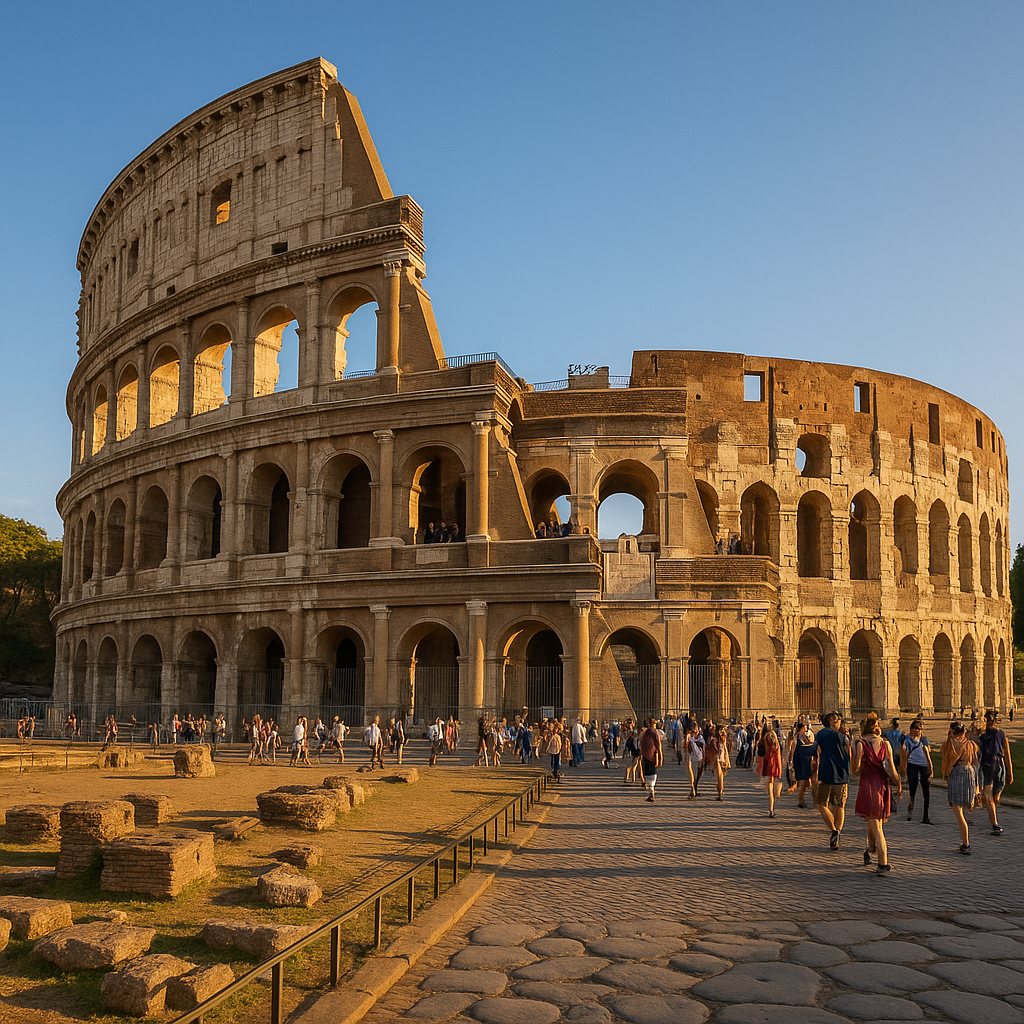
Rome, the capital of Italy, stands as a timeless city where history and modern life blend seamlessly. Renowned as the “Eternal City,” it offers visitors a unique experience shaped by its vast collection of ancient ruins, Renaissance art, and vibrant street life. From iconic landmarks such as the Colosseum and Vatican City to lively piazzas and charming neighborhoods, Rome captivates travelers with its rich cultural fabric and warm Mediterranean atmosphere.
Historical and cultural significance
Rome’s history spans over 2,700 years, making it one of the world’s oldest continuously inhabited cities. It was the heart of the Roman Empire, which profoundly influenced Western civilization, law, architecture, and language. The city is home to numerous UNESCO World Heritage sites, including the historic center and the Vatican. Its museums, churches, and archaeological sites preserve masterpieces by artists like Michelangelo, Raphael, and Bernini. Rome’s cultural heritage is also reflected in its traditions, religious festivals, and culinary arts, providing a deep connection to European history and identity.
Geography and natural features
Located in the central-western part of the Italian Peninsula, Rome stretches across seven hills beside the Tiber River. The city’s terrain is gently rolling, with green parks and gardens interspersed within urban areas. The Tiber River is a defining natural feature, historically vital for trade and settlement. Nearby, the Mediterranean climate supports evergreen vegetation, olive groves, and cypress trees, creating a pleasant environment. Within easy reach are the Alban Hills and the Tyrrhenian Sea coastline, offering natural retreats beyond the urban core.
Best time to visit
Rome is a year-round destination, but the experience varies significantly with the seasons. Understanding the best times to visit helps travelers avoid crowds and enjoy comfortable weather.
– Best months: April to June, September to October
– Weather conditions: Mild springs and autumns with warm summers and cool winters
– Peak vs off-season: Peak tourist season is from June to August; quieter months are November to March
– Ideal traveler types: Families enjoy spring and early autumn; photographers benefit from softer light in shoulder seasons; history enthusiasts can explore year-round, avoiding peak crowds
How to get there (international + local)
Rome is well connected internationally and offers diverse options for local transportation, making it accessible and easy to navigate.
– Nearest international airport: Leonardo da Vinci–Fiumicino Airport (FCO), about 30 km southwest of the city center
– Major cities connected: Direct flights from major European cities, North America, and the Middle East; high-speed rail connections to Milan, Florence, Naples, and beyond
– Train / bus options: Roma Termini and Roma Tiburtina are main train stations with regional and international services; extensive bus network covers city and suburban areas
– Local transport tips: Metro lines A, B, and C cover key areas; buses and trams provide comprehensive access; walking is highly recommended in historic districts due to narrow streets and pedestrian zones
Local food and drink
Roman cuisine is celebrated for its simplicity and use of fresh, local ingredients. Traditional dishes include “Cacio e Pepe” (pasta with Pecorino cheese and black pepper), “Carbonara” (egg, cheese, pancetta, and pepper pasta), and “Saltimbocca alla Romana” (veal with prosciutto and sage). Street food such as supplì (fried rice balls) and pizza al taglio (pizza by the slice) are popular for quick bites. Roman wine, especially from nearby Lazio vineyards, pairs excellently with meals. Espresso and gelato are essential parts of the local dining experience.
Festivals and cultural events
Rome hosts numerous cultural events throughout the year that highlight its artistic and religious heritage. The “Festa de’ Noantri” in July celebrates the Trastevere neighborhood with parades and music. Easter week features the Pope’s public masses and the famous “Scoppio del Carro” (Explosion of the Cart) in nearby Florence but observed in Rome’s Holy Week ceremonies. The Rome Film Fest in October attracts international cinema lovers. Christmas markets and concerts in December add festive charm to the city’s historic piazzas.
Safety and practical travel tips
Rome is generally safe for travelers, though standard precautions are advised, especially in crowded tourist areas.
– Keep an eye on personal belongings to avoid pickpocketing in busy spots like Termini Station and major attractions
– Use official taxis or ride-hailing apps; avoid unlicensed cabs
– Stay hydrated and wear comfortable shoes due to extensive walking on uneven cobblestones
– Beware of traffic when crossing streets; pedestrian signals are not always strictly observed
– Emergency number: 112 for police, medical, and fire services
Responsible travel and sustainability
Visitors to Rome are encouraged to support sustainable tourism practices to protect its cultural and natural heritage.
– Use public transportation or walk to reduce carbon footprint
– Respect local customs, especially within religious sites and residential neighborhoods
– Avoid single-use plastics by carrying reusable water bottles; many public fountains provide potable water
– Choose locally owned restaurants and accommodations to contribute to the local economy
– Participate in guided tours that emphasize conservation and responsible site visitation
Sydney
Overview – Why this destination is special
Sydney, Australia’s largest and most vibrant city, offers a unique blend of natural beauty, iconic landmarks, and a dynamic cultural scene. Known worldwide for its stunning harbor, world-class beaches, and diverse neighborhoods, Sydney attracts millions of visitors each year. The city’s welcoming atmosphere, excellent infrastructure, and wide range of activities make it a must-visit destination for travelers seeking both urban excitement and outdoor adventure.
Historical and cultural significance
Sydney sits on the traditional lands of the Gadigal people of the Eora Nation, whose history dates back tens of thousands of years. The city’s colonial past began in 1788 with the arrival of the First Fleet, establishing it as the first European settlement in Australia. Today, Sydney honors its Indigenous heritage through cultural centers, art installations, and events that celebrate Aboriginal and Torres Strait Islander peoples. The city is also home to a diverse population, with vibrant communities contributing to its multicultural character, reflected in festivals, cuisine, and the arts.
Geography and natural features
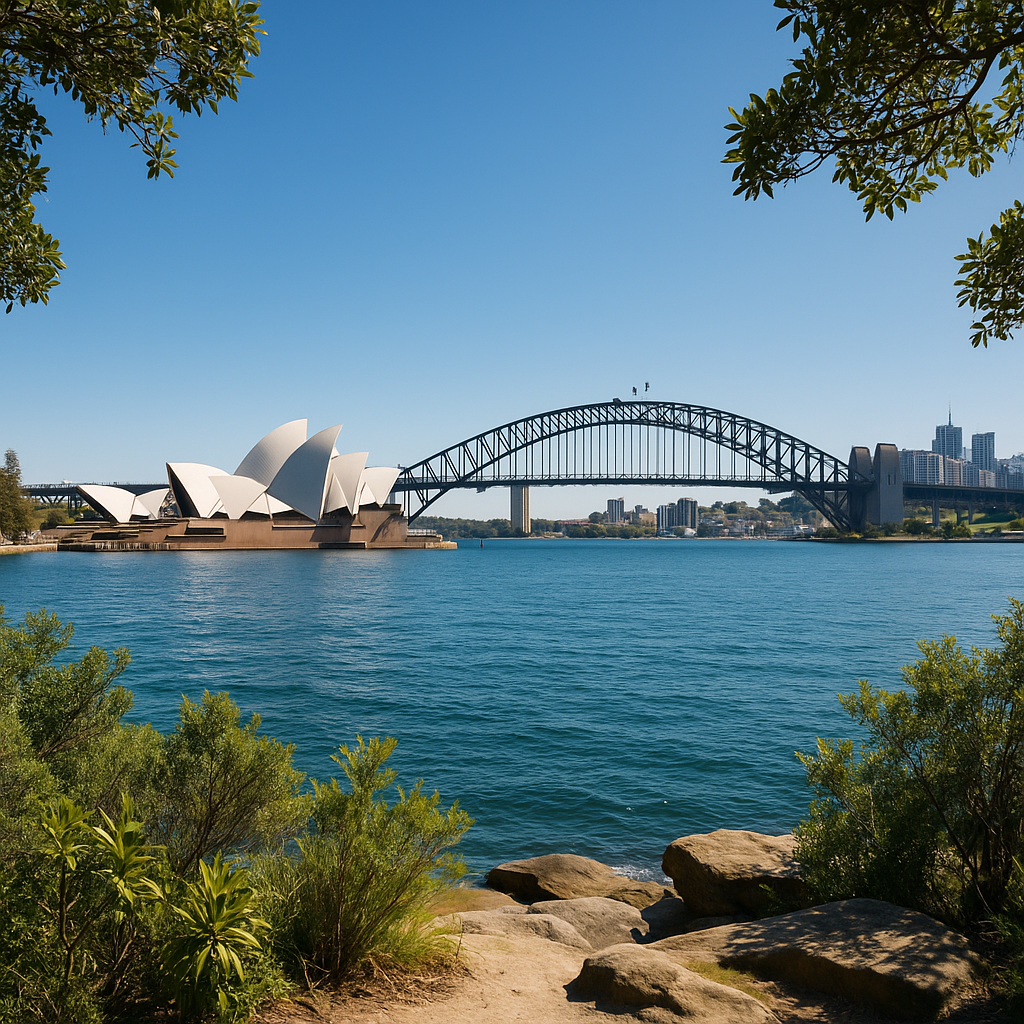
Situated on Australia’s southeastern coast, Sydney boasts a dramatic harbor framed by headlands and peninsulas. The famous Sydney Harbour is a natural deep-water port, featuring numerous bays and coves, including the world-renowned Circular Quay and Darling Harbour. Sydney’s geography includes a mix of sandy beaches such as Bondi and Manly, rugged coastal cliffs, and expansive parks like the Royal National Park. The cityscape is a striking contrast between urban high-rises and green spaces, offering abundant opportunities for outdoor activities like hiking, sailing, and wildlife spotting.
Best time to visit
Sydney’s climate is temperate, with mild winters and warm summers, making it a year-round destination. However, certain months offer optimal weather and fewer crowds.
– Best months: September to November (spring) and March to May (autumn)
– Weather conditions: Spring and autumn feature comfortable temperatures (15–25°C / 59–77°F), lower humidity, and minimal rainfall
– Peak vs off-season: December to February is peak season with warm weather and busy tourist sites; June to August is cooler and quieter but still pleasant
– Ideal traveler types: Families during school holidays; outdoor enthusiasts and photographers in spring and autumn for clear skies and lush landscapes
How to get there (international + local)
Sydney is well-connected globally, making it accessible for international and domestic travelers alike.
– Nearest international airport: Sydney Kingsford Smith Airport (SYD), located 8 kilometers south of the city center
– Major cities connected: Direct flights from major global hubs including Los Angeles, London, Singapore, Dubai, and Tokyo
– Train / bus options: The Airport Link train connects the airport to Sydney’s central business district in about 13 minutes; extensive local train and bus networks serve the metropolitan area and surrounding suburbs
– Local transport tips: Opal card is the city’s smart travel card for convenient access to trains, buses, ferries, and light rail; ferries offer scenic travel across the harbor and to nearby beaches
Local food and drink
Sydney’s culinary scene reflects its multicultural population and coastal setting. Fresh seafood dominates menus, with dishes featuring Sydney rock oysters, barramundi, and Moreton Bay bugs. The city’s café culture is strong, with specialty coffee shops and brunch venues widespread. Popular local foods include meat pies, lamingtons (sponge cake with chocolate and coconut), and multicultural influences from Asian, Mediterranean, and Middle Eastern cuisines. Sydney also boasts numerous farmers’ markets and vibrant dining precincts like Darlinghurst and Surry Hills, offering diverse flavors and innovative menus.
Festivals and cultural events
Sydney hosts an array of annual festivals and events that highlight its cultural diversity and artistic vibrancy. The Sydney Festival in January showcases performing arts, music, and visual arts across the city. Vivid Sydney, held in May and June, is a spectacular light, music, and ideas festival transforming landmarks like the Sydney Opera House with colorful projections. Other notable events include the Mardi Gras Parade celebrating LGBTQ+ pride, the Royal Easter Show featuring agricultural exhibitions, and the New Year’s Eve fireworks over Sydney Harbour, one of the world’s most famous celebrations.
Safety and practical travel tips
Sydney is generally a safe city for travelers, but standard precautions apply.
– Stay aware of your surroundings, especially in crowded areas and at night
– Use designated swimming areas at beaches and heed lifeguard warnings due to strong currents
– Protect yourself from sun exposure by wearing sunscreen, hats, and staying hydrated
– Tap water is safe to drink throughout the city
– Emergency number is 000 for police, fire, and ambulance services
– Public transport runs efficiently but be mindful of peak-hour crowds
Responsible travel and sustainability
Sydney is committed to sustainability and encouraging responsible tourism. Visitors can contribute by minimizing plastic use, supporting local businesses, and respecting natural habitats in parks and coastal areas. Many attractions promote eco-friendly practices, and public transport options reduce carbon footprints. Travelers are encouraged to learn about Indigenous culture respectfully and follow guidelines when visiting culturally sensitive sites. Participating in local conservation programs and choosing accommodations with green certifications further supports Sydney’s environmental goals.
Cape Town
Overview – Why this destination is special
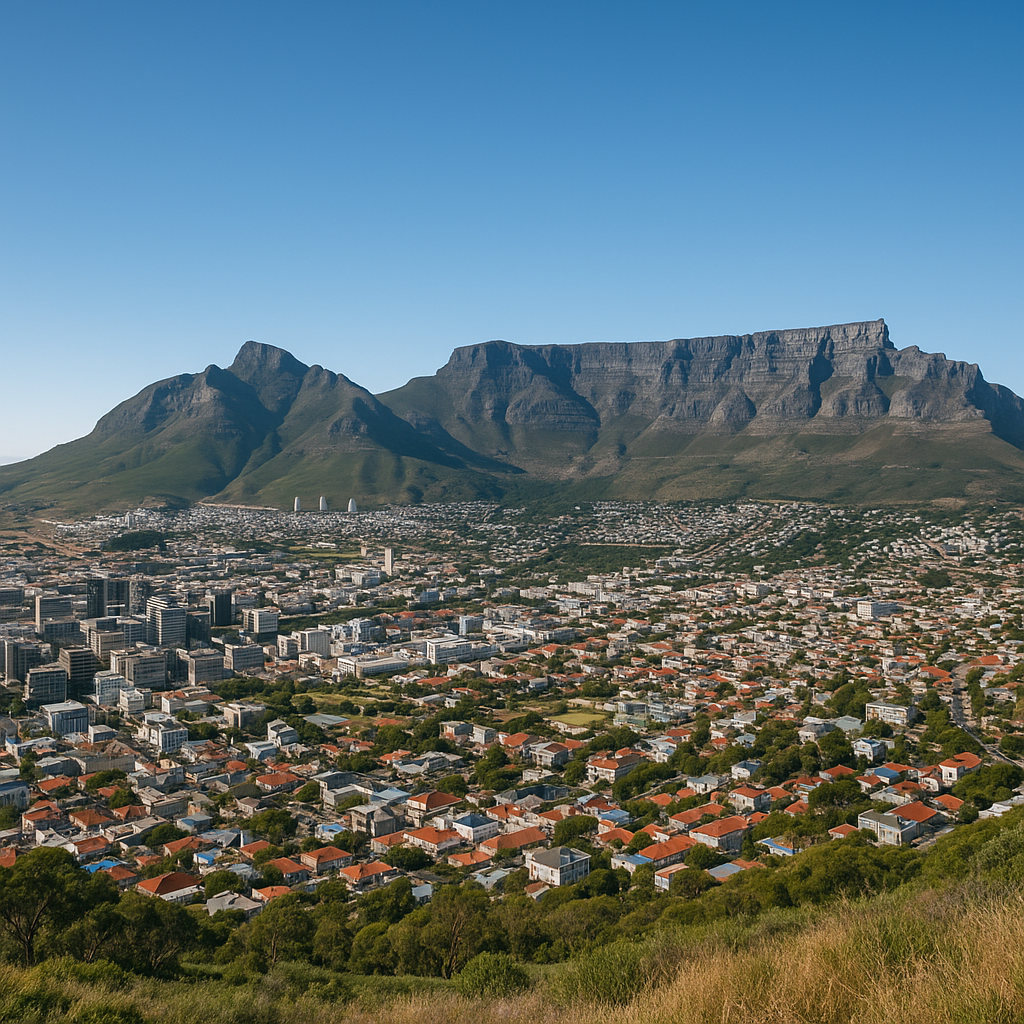
Cape Town, often hailed as the “Mother City” of South Africa, is renowned for its stunning natural beauty, vibrant cultural scene, and rich history. Nestled between the iconic Table Mountain and the Atlantic Ocean, it offers a unique blend of urban sophistication and breathtaking landscapes. Visitors are drawn to Cape Town for its outdoor adventures, diverse culinary experiences, and the warmth of its multicultural population. The city’s combination of natural wonders and dynamic urban life makes it a standout destination for travelers seeking both relaxation and exploration.
Historical and cultural significance
Cape Town has a deeply layered history, shaped by indigenous Khoisan communities, Dutch colonial settlers, British imperialism, and the struggles against apartheid. The city’s Robben Island, where Nelson Mandela was imprisoned for 18 years, is a UNESCO World Heritage Site symbolizing resilience and the fight for freedom. Cape Town’s cultural landscape reflects its diverse populations, including Afrikaans, English, Xhosa, and Cape Malay influences. Visitors can explore District Six Museum to learn about forced removals during apartheid, or experience the colorful Bo-Kaap neighborhood, known for its brightly painted houses and Cape Malay heritage. This blend of history and culture offers a powerful insight into South Africa’s broader narrative.
Geography and natural features
Cape Town is uniquely positioned on the southwestern tip of Africa, where the Atlantic and Indian Oceans meet. Its geography is dominated by Table Mountain, a flat-topped massif that towers over the city and is part of the Table Mountain National Park. The Cape Floral Kingdom, a UNESCO-designated biodiversity hotspot, surrounds the area and boasts thousands of endemic plant species. Nearby natural landmarks include the Cape of Good Hope, False Bay, and pristine beaches like Camps Bay and Clifton. The region’s landscape offers hiking trails, scenic drives, and opportunities for whale watching, shark cage diving, and surfing, making it a nature lover’s paradise.
Best time to visit
The best time to visit Cape Town depends on the traveler’s interests and preferred weather conditions. The city experiences a Mediterranean climate with warm, dry summers and mild, wet winters.
– Best months: November to March
– Weather conditions: Summers are sunny and warm (20–30°C/68–86°F), winters are cooler and rainy (7–18°C/45–64°F)
– Peak vs off-season: Peak tourist season is December to February; quieter months are May to September
– Ideal traveler types: Families and beachgoers prefer summer; hikers and photographers may enjoy the mild, less crowded shoulder seasons; wildlife enthusiasts often visit in winter for whale watching
How to get there (international + local)
Cape Town is well connected to the world and accessible through multiple transportation options.
– Nearest international airport: Cape Town International Airport (CPT), approximately 20 km from the city center
– Major cities connected: Direct flights to and from Johannesburg, London, Dubai, Amsterdam, Doha, and other global hubs
– Train / bus options: The luxury Blue Train and Shosholoza Meyl trains connect Cape Town with Johannesburg; long-distance bus services like Greyhound and Intercape serve regional routes
– Local transport tips: The MyCiTi Bus Rapid Transit system offers reliable, affordable service across the city and to the airport; metered taxis and ride-hailing apps such as Bolt and Uber are widely available
Local food and drink
Cape Town’s culinary scene is a reflection of its diverse population and coastal location. Traditional dishes include bobotie (a spiced meat casserole), bredie (slow-cooked stews), and fresh seafood like snoek and calamari. The city’s vibrant markets, such as the Oranjezicht City Farm Market, showcase local produce and artisanal foods. Cape Town is also part of South Africa’s celebrated wine country, with nearby vineyards in Stellenbosch and Franschhoek offering world-class wines, especially Chenin Blanc and Pinotage. Visitors can enjoy a variety of international cuisines alongside local favorites, making dining in Cape Town a rich and varied experience.
Festivals and cultural events
Cape Town hosts numerous festivals that celebrate its heritage and contemporary culture. The Cape Town International Jazz Festival, held annually in March or April, attracts world-renowned musicians and thousands of visitors. The Minstrel Carnival, dating back to the 19th century, is a colorful parade featuring music, dance, and vibrant costumes each January. Other notable events include the Cape Town Festival of Beer, the Kirstenbosch Summer Concerts, and the Design Indaba conference, which showcases creativity and innovation. These events offer travelers a chance to engage with local culture and enjoy lively entertainment.
Safety and practical travel tips
While Cape Town is a popular tourist destination, visitors should exercise standard safety precautions. Petty crime such as pickpocketing can occur, especially in crowded areas. Tourists are advised to avoid walking alone after dark in unfamiliar neighborhoods and to use reputable transport services. Keep valuables secure and be cautious when using ATMs. It is advisable to stay informed about current local conditions by consulting official travel advisories. Health-wise, drinking bottled water is recommended, and travelers should be prepared for sun exposure by wearing sunscreen and hats. Emergency services are accessible through standard South African emergency numbers.
Responsible travel and sustainability
Cape Town is increasingly focused on sustainable tourism to protect its unique environment and support local communities. Visitors are encouraged to respect natural habitats by staying on marked trails in national parks and avoiding littering. Supporting local businesses, artisans, and eco-friendly accommodations helps promote economic benefits for residents. Water conservation remains critical, especially during drought periods, so travelers should use water sparingly. Responsible wildlife tourism means observing animals from a safe distance and choosing operators that follow ethical guidelines. By traveling mindfully, visitors contribute to preserving Cape Town’s beauty and cultural integrity for future generations.
Conclusion
As the world continues to evolve, so do the ways we explore it. Travel in 2026 offers exciting opportunities to connect with new cultures, experience breathtaking landscapes, and create lasting memories. However, the key to truly enriching journeys lies in being well-prepared and mindful of the impact our travels have on the places we visit. By embracing practical travel tips for 2026, travelers can navigate the complexities of modern travel with confidence and ease.
Being informed about the latest travel requirements, technology advancements, and sustainable practices ensures smoother trips and a more meaningful experience. Responsible travel not only protects destinations for future visitors but also deepens our appreciation for the diversity and uniqueness of the world. From packing thoughtfully to respecting local customs and minimizing environmental footprints, every small action contributes to a positive travel legacy.
Ultimately, travel is about more than just ticking off destinations; it is a journey of discovery, learning, and connection. Approaching each adventure with curiosity and respect enriches both the traveler and the communities they encounter. Looking ahead to 2026, there is every reason to feel optimistic about the possibilities that await. With the right preparation and mindset, every trip can become a rewarding chapter in a lifelong story of exploration.
By integrating these practical insights into your travel planning, you are setting the stage for experiences that inspire growth and understanding. Embrace the journey ahead with enthusiasm and care, knowing that responsible, informed travel opens doors to a more vibrant and interconnected world.
For up-to-date travel guidelines and safety information, consult the official U.S. Department of State travel website. Visit the U.S. Department of State travel advisories page for the latest updates. https://travel.state.gov/content/travel/en/travel