Top 10 Must-Visit Places in Thailand for First-Time Travelers
Recently updated on February 1, 2026
Total words: 5539
Introduction
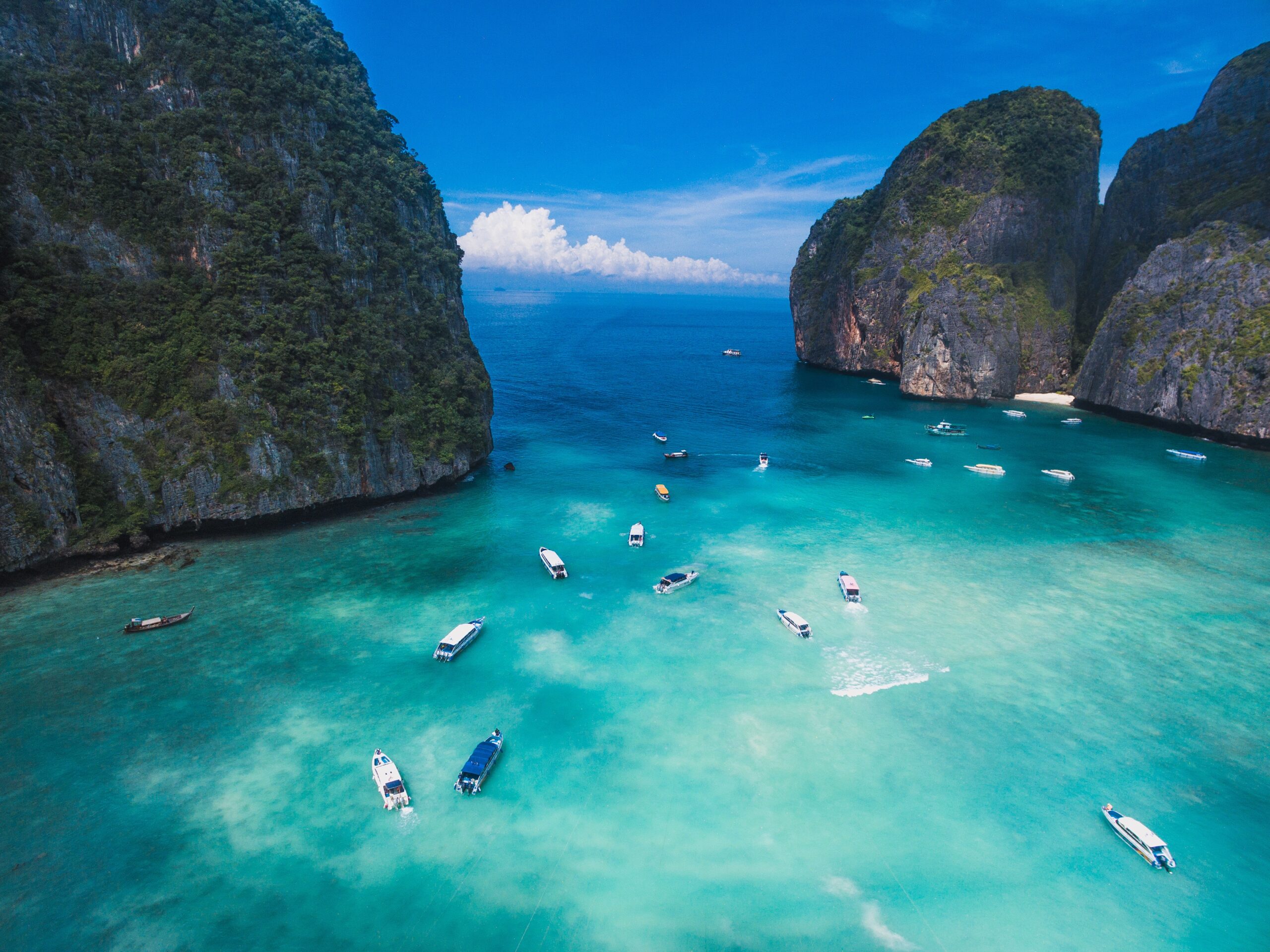
Thailand is a vibrant and diverse country that captivates travelers from around the world with its rich culture, stunning landscapes, and warm hospitality. For those planning their first visit, choosing the best places to visit in Thailand for first-time travelers can be both exciting and overwhelming. This Southeast Asian gem offers an impressive range of experiences, from bustling cities and ancient temples to idyllic beaches and lush mountains. Whether you are seeking cultural immersion, adventurous activities, or simply a relaxing getaway, Thailand has something to offer every type of traveler.
The appeal of Thailand lies not only in its natural beauty but also in its unique blend of tradition and modernity. First-time visitors are often drawn to the dynamic energy of Bangkok, the country’s capital, with its vibrant street life and historic landmarks. Meanwhile, the northern city of Chiang Mai provides a more tranquil atmosphere enriched with centuries-old temples and rich artisan traditions. For beach lovers, popular coastal destinations like Phuket and Krabi showcase some of the most breathtaking shorelines in the world, perfect for sunbathing, snorkeling, and island hopping. History enthusiasts will find Ayutthaya fascinating, with its ancient ruins that tell stories of a bygone era.
Selecting the best places to visit in Thailand for first-time travelers ensures an itinerary that balances cultural discovery, natural wonders, and modern comforts. This approach helps newcomers to Thailand make the most of their trip, experiencing the country’s highlights without missing out on its hidden charms. With well-developed tourism infrastructure and a welcoming local population, Thailand is an ideal destination to explore with confidence and curiosity. This article will guide you through ten must-visit places that capture the essence of Thailand and provide a memorable introduction to this captivating country.
Table of Content
- Bangkok
- Chiang Mai
- Phuket
- Ayutthaya
- Krabi
- Conclusion
- FAQs
Bangkok
Overview – Why this destination is special
Bangkok, Thailand’s vibrant capital, is a city where tradition and modernity blend seamlessly. Known for its bustling street life, ornate temples, and lively markets, Bangkok offers first-time travelers a dynamic experience rich in culture and energy. The city’s unique charm lies in its contrasts: ancient palaces stand alongside sleek skyscrapers, and quiet canals weave through busy neighborhoods. As the main gateway into Thailand, Bangkok provides an excellent introduction to the country’s heritage, cuisine, and contemporary lifestyle.
Historical and cultural significance
Bangkok has served as the capital of Thailand since 1782 and is central to the nation’s history and cultural identity. It hosts the Grand Palace, once the official residence of the Thai monarch, which remains a symbol of Thai royalty and artistry. The city is also home to Wat Pho, known for its giant reclining Buddha statue, and Wat Arun, the Temple of Dawn, both of which showcase exquisite traditional Thai architecture and craftsmanship. Bangkok reflects Thailand’s deep-rooted Buddhist traditions alongside a history of resilience and modernization, making it a living museum of Thai culture.
Geography and natural features
Situated on the banks of the Chao Phraya River, Bangkok’s geography is characterized by its flat, low-lying terrain interspersed with numerous canals, historically earning it the nickname “Venice of the East.” These waterways play a vital role in transportation and commerce. Despite its urban sprawl, the city offers green spaces such as Lumpini Park, a popular urban oasis where locals and tourists alike enjoy outdoor activities. The river and canal systems also contribute to Bangkok’s unique charm and provide scenic routes that contrast with the city’s busy streets.
Best time to visit
Bangkok experiences a tropical climate, with distinct wet and dry seasons. Choosing the right time to visit can enhance your experience by avoiding extreme weather and crowds.
– Best months: November to February
– Weather conditions: Cool and dry season with comfortable temperatures around 25–30°C (77–86°F)
– Peak vs off-season: Peak tourist season during dry months; rainy season from May to October with heavy showers and higher humidity
– Ideal traveler types: Families seeking pleasant weather, photographers looking for clear skies and vibrant cityscapes, cultural enthusiasts attending festivals during cooler months
How to get there (international + local)
Bangkok is highly accessible for international travelers and offers multiple transport options within the city.
– Nearest international airport: Suvarnabhumi Airport (BKK), Thailand’s main international gateway, located about 30 kilometers east of downtown
– Major cities connected: Direct flights connect Bangkok to major cities worldwide including London, Tokyo, Sydney, Dubai, and Singapore
– Train / bus options: Long-distance trains and buses connect Bangkok with other Thai cities such as Chiang Mai, Ayutthaya, and Pattaya; Hua Lamphong Station is the main train terminal
– Local transport tips: Utilize the BTS Skytrain and MRT subway for efficient travel within the city; river ferries offer scenic alternatives along the Chao Phraya; tuk-tuks and metered taxis are available but negotiate fares or ensure meters are used
Local food and drink
Bangkok is a paradise for food lovers, offering an extensive variety of dishes that showcase Thailand’s rich culinary heritage. Street food stalls line the city’s streets serving iconic dishes such as Pad Thai, Som Tum (spicy green papaya salad), and Moo Ping (grilled pork skewers). Markets like Chinatown and the Chatuchak Weekend Market are excellent places to sample authentic flavors. Traditional Thai desserts such as mango sticky rice and coconut ice cream provide sweet relief in the tropical heat. For beverages, try Thai iced tea or fresh coconut water. Many restaurants also cater to international tastes but exploring street food is essential for a genuine experience.
Festivals and cultural events
Bangkok hosts numerous vibrant festivals that provide insight into Thai culture and traditions. The Songkran Festival in April marks the Thai New Year and is famous for its city-wide water fights symbolizing cleansing and renewal. Loy Krathong, celebrated in November, involves floating decorated baskets on waterways to honor the river spirits. The city also observes Buddhist holidays with ceremonies at temples, including Visakha Bucha Day, which commemorates the birth, enlightenment, and death of Buddha. These events offer unique opportunities for visitors to participate in local customs and celebrations.
Safety and practical travel tips
Bangkok is generally safe for travelers, but standard precautions are advised. Avoid carrying large amounts of cash and keep personal belongings secure, especially in crowded areas. Traffic can be heavy and chaotic, so use pedestrian bridges and crosswalks carefully. Be cautious when using tuk-tuks or motorbike taxis; ensure safety gear and agree on fares beforehand. Tap water is not safe to drink; bottled water is widely available. Travelers should respect local customs, particularly when visiting religious sites, by dressing modestly and removing shoes where required.
Responsible travel and sustainability
Visitors to Bangkok are encouraged to practice responsible tourism that respects the city’s environment and culture. Support local businesses by purchasing handmade crafts and eating at family-run eateries. Use public transportation or walk when possible to reduce carbon emissions. When visiting temples and historical sites, adhere to guidelines to protect these cultural treasures. Avoid activities that exploit animals or damage natural habitats. By traveling thoughtfully, visitors help preserve Bangkok’s unique character and ensure it remains a welcoming destination for future generations.
Chiang Mai
Overview – Why this destination is special
Chiang Mai, located in northern Thailand, is a captivating city that blends rich cultural heritage with stunning natural beauty. Known for its ancient temples, vibrant markets, and lush mountainous surroundings, it offers a unique experience distinct from the bustling capital of Bangkok. Chiang Mai appeals to travelers seeking a peaceful yet culturally immersive destination where traditional Thai customs thrive alongside modern amenities. Whether exploring historic sites or trekking through scenic landscapes, visitors find Chiang Mai an inviting gateway to northern Thailand’s charm.
Historical and cultural significance
Founded in 1296 as the capital of the Lanna Kingdom, Chiang Mai has a deep historical legacy that continues to influence its culture today. The city’s old quarter is enclosed by remnants of ancient walls and moats, with numerous well-preserved temples such as Wat Phra Singh and Wat Chedi Luang showcasing classic Lanna architecture. Chiang Mai remains a center for traditional arts, crafts, and religious festivals, preserving centuries-old customs. It is also renowned for its role in promoting Buddhist scholarship and meditation retreats, making it a spiritual hub in Thailand.
Geography and natural features
Nestled in a mountainous region, Chiang Mai is surrounded by forested hills and fertile valleys, contributing to its mild climate and rich biodiversity. The nearby Doi Suthep-Pui National Park features the iconic Doi Suthep mountain, topped by the revered Wat Phra That Doi Suthep temple, offering panoramic views of the city. Rivers such as the Ping River run through the region, supporting agriculture and local livelihoods. The area’s natural environment provides opportunities for outdoor activities like trekking, cycling, and visiting elephant sanctuaries, all set against a backdrop of verdant landscapes.
Best time to visit
Chiang Mai experiences a tropical savanna climate with distinct wet and dry seasons. Choosing the right time to visit depends on travelers’ preferences for weather and activities.
– Best months: November to February
– Weather conditions: Cool and dry during the best months; hot season from March to May; rainy season from June to October
– Peak vs off-season: Peak tourist season aligns with the cool dry months (November–February), while the rainy season sees fewer visitors and lower prices
– Ideal traveler types: Families and cultural tourists during cool months; hikers and nature lovers prefer the dry season; photographers benefit from clear skies and festival seasons
How to get there (international + local)
Chiang Mai is well connected both internationally and domestically, making it accessible for first-time travelers.
– Nearest international airport: Chiang Mai International Airport (CNX), offering direct flights from major Asian cities such as Bangkok, Singapore, Hong Kong, and Kuala Lumpur
– Major cities connected: Bangkok (frequent daily flights), Chiang Rai, and other northern Thai cities via road and rail
– Train / bus options: Overnight trains from Bangkok provide a scenic route; multiple bus services connect Chiang Mai to northern and central Thailand
– Local transport tips: Tuk-tuks and red songthaews (shared taxis) are common for short trips; motorbike rentals are popular among experienced riders for exploring surrounding areas
Local food and drink
Chiang Mai’s culinary scene reflects its northern Thai roots, featuring distinct flavors and ingredients. Must-try dishes include Khao Soi, a creamy coconut curry noodle soup; Sai Oua, a spicy northern Thai sausage; and Nam Prik Noom, a green chili dip served with fresh vegetables. The city’s night markets, such as the Sunday Walking Street, offer a vibrant atmosphere to sample street food and local snacks. Traditional northern Thai coffee and herbal teas are also widely enjoyed, providing a taste of regional beverages.
Festivals and cultural events
Chiang Mai hosts several prominent festivals that showcase its cultural richness. The Yi Peng Lantern Festival, usually held in November, is famous for its sky lantern releases, creating a breathtaking spectacle. Simultaneously, the Loi Krathong Festival involves floating decorated baskets on waterways to pay respects to the water spirits. Other significant events include the Songkran Festival in April, marking the Thai New Year with water celebrations, and the Flower Festival in February, highlighting the region’s horticultural beauty. These festivals offer visitors immersive cultural experiences and opportunities to engage with local traditions.
Safety and practical travel tips
Chiang Mai is generally considered a safe destination for tourists, with a welcoming local population. Visitors should exercise standard precautions such as safeguarding personal belongings and avoiding unlit or isolated areas at night. Health facilities are available, but it is advisable to have travel insurance covering medical emergencies. When renting motorbikes, ensure proper licensing and wear helmets. Respect for local customs and dress codes, especially when visiting temples, helps ensure a positive experience. Staying hydrated and protecting against mosquitoes is important, particularly in rural or forested areas.
Responsible travel and sustainability
Travelers to Chiang Mai are encouraged to engage in responsible tourism practices to protect the environment and support local communities. Visiting ethical elephant sanctuaries that prohibit riding and promote conservation is strongly recommended. Reducing plastic use and participating in eco-friendly tours help minimize environmental impact. Supporting local artisans and markets contributes to sustaining traditional crafts and livelihoods. Additionally, respecting cultural norms and the natural surroundings ensures that tourism benefits both visitors and residents while preserving Chiang Mai’s heritage for future generations.
Phuket
Overview – Why this destination is special
Phuket is Thailand’s largest island and one of Southeast Asia’s most popular travel destinations. Renowned for its stunning beaches, vibrant nightlife, and rich cultural heritage, Phuket offers a diverse range of experiences for first-time travelers. Whether you seek relaxation on sun-drenched shores, adventurous water sports, or exploration of local markets and temples, Phuket’s unique blend of natural beauty and modern amenities makes it a standout destination. The island’s accessibility and variety of attractions have helped it maintain a strong appeal among tourists worldwide.
Historical and cultural significance
Phuket has a fascinating history influenced by its strategic location along historic trade routes. Originally a tin mining hub, the island’s cultural fabric reflects a mix of Thai, Chinese, and Malay heritage. The Old Phuket Town area showcases Sino-Portuguese architecture, colorful shophouses, and historic temples that tell stories of past settlers and traders. Additionally, the island is home to important Buddhist sites, including Wat Chalong, a revered temple visited by many locals and tourists alike. Cultural festivals and traditional crafts continue to thrive, offering visitors insight into Phuket’s diverse and evolving identity.
Geography and natural features
Situated in the Andaman Sea off Thailand’s southwest coast, Phuket is characterized by its hilly terrain, dense tropical forests, and extensive coastline dotted with white sand beaches. The island’s natural environment includes coral reefs, limestone cliffs, and nearby smaller islands that form part of marine national parks. Popular beaches like Patong, Kata, and Karon attract sunbathers and swimmers, while quieter spots like Nai Harn and Surin offer a more tranquil experience. Inland, the lush Phuket Elephant Sanctuary and hiking trails provide opportunities to engage with nature and wildlife.
Best time to visit
Phuket’s tropical climate means warm weather year-round, but seasonal variations affect the visitor experience. Understanding the best time to visit helps travelers make the most of their trip.
– Best months: November to April
– Weather conditions: Dry season with sunny skies and low humidity
– Peak vs off-season: Peak season coincides with dry weather; off-season is during the monsoon from May to October
– Ideal traveler types: Families seeking beach holidays, photographers capturing coastal landscapes, and outdoor enthusiasts exploring natural parks
How to get there (international + local)
Phuket is well-connected, making it accessible for international visitors and easy to navigate locally.
– Nearest international airport: Phuket International Airport (HKT), offering flights from major Asian cities and some direct connections from Europe and the Middle East
– Major cities connected: Bangkok, Singapore, Kuala Lumpur, Hong Kong, and others via direct flights
– Train / bus options: No direct train to Phuket; buses operate from Bangkok and other regional hubs to Phuket Bus Terminal
– Local transport tips: Tuk-tuks, metered taxis, motorbike rentals, and songthaews (shared taxis) are common; renting a scooter is popular but requires caution due to local traffic conditions
Local food and drink
Phuket’s culinary scene is a rich tapestry of flavors influenced by southern Thai and Chinese cuisines. Seafood is abundant and freshly prepared, with dishes such as grilled prawns, spicy seafood curries, and fried fish cakes widely enjoyed. Signature local dishes include Mee Hokkien noodles and Oh Tao, a unique oyster omelet. Street food markets offer a variety of snacks like satay skewers and mango sticky rice. For drinks, fresh coconut water and Thai iced tea are refreshing choices. Dining options range from casual beachfront stalls to upscale restaurants serving international fare.
Festivals and cultural events
Phuket hosts several vibrant festivals reflecting its cultural diversity and traditions. The Phuket Vegetarian Festival, held annually in October, is internationally famous for its colorful processions and rituals promoting spiritual cleansing. Songkran, the Thai New Year in April, is celebrated with water fights and temple ceremonies island-wide. Loy Krathong, the festival of lights in November, sees locals floating decorated baskets on water as a symbol of letting go of negativity. These events provide unique opportunities for visitors to experience local customs firsthand.
Safety and practical travel tips
Phuket is generally safe for tourists, but standard precautions are advisable to ensure a trouble-free visit. Petty theft can occur in crowded areas, so safeguarding valuables is recommended. Road safety is important, particularly for those renting scooters; helmets are mandatory by law but not always enforced, so wearing one is strongly advised. Staying hydrated and using sun protection are essential in the tropical climate. Travelers should also respect local customs and dress modestly when visiting religious sites.
Responsible travel and sustainability
Efforts to promote sustainable tourism in Phuket are gaining momentum to protect its natural and cultural assets. Visitors can contribute by supporting eco-friendly accommodations and tour operators committed to conservation. Avoiding single-use plastics, especially on beaches, helps reduce environmental impact. Participating in or donating to local wildlife sanctuaries and community projects fosters positive engagement with the island’s heritage. Responsible tourism encourages respect for local culture, environment, and wildlife, ensuring Phuket remains a vibrant destination for future generations.
Ayutthaya
Overview – Why this destination is special
Ayutthaya, once the flourishing capital of the Kingdom of Siam, is a remarkable destination that offers a captivating glimpse into Thailand’s rich historical heritage. Situated just north of Bangkok, this ancient city stands out for its stunning ruins and temples that tell stories of a bygone era. Ayutthaya’s unique blend of cultural landmarks, tranquil river scenery, and vibrant local life makes it a must-visit spot for travelers seeking both education and inspiration. Its UNESCO World Heritage status underscores its global significance as a well-preserved archaeological site.
Historical and cultural significance
Founded in 1350, Ayutthaya served as the capital of Siam for over four centuries, until its destruction by Burmese invaders in 1767. During its peak, it was one of the world’s largest urban areas and a major center for diplomacy and commerce in Asia. The city’s ruins showcase a mix of architectural styles, reflecting influences from Khmer, Sri Lankan, Persian, and European designs. This cultural fusion is evident in the intricate temple complexes such as Wat Mahathat, famous for the Buddha head entwined in tree roots, and Wat Phra Si Sanphet, the royal temple. Ayutthaya’s heritage offers insights into the political, religious, and artistic developments that shaped early Thai civilization.
Geography and natural features
Ayutthaya is located on a flat river plain at the confluence of three rivers: the Chao Phraya, the Pa Sak, and the Lopburi. This strategic position made it an important trading hub historically and contributes to its lush, green surroundings today. The waterways create a network of canals that add to the city’s charm and provide opportunities for boat tours that reveal the ruins from a different perspective. The fertile land supports rice paddies and other agriculture, while the surrounding countryside offers peaceful spots for nature walks and birdwatching.
Best time to visit
To fully appreciate Ayutthaya’s heritage and natural beauty, consider the local climate and seasonal variations.
– Best months: November to February
– Weather conditions: Cool and dry season, with temperatures ranging from 20°C to 30°C (68°F to 86°F)
– Peak vs off-season: Peak season during cool months; hot season (March to May) can be uncomfortable; rainy season (June to October) may limit outdoor activities
– Ideal traveler types: History enthusiasts, photographers, families seeking cultural education, and travelers who prefer moderate weather
How to get there (international + local)
Ayutthaya is conveniently accessible from Bangkok, Thailand’s main international gateway, making it an easy day trip or weekend destination.
– Nearest international airport: Suvarnabhumi Airport (BKK) in Bangkok, approximately 80 kilometers south
– Major cities connected: Bangkok, Lopburi, Nakhon Sawan
– Train / bus options: Regular trains run from Bangkok’s Hua Lamphong Station to Ayutthaya (about 1.5 hours); buses and minivans also connect from Bangkok’s Mo Chit bus terminal
– Local transport tips: Tuk-tuks and songthaews (shared taxis) are common for short distances; bicycles and motorbike rentals are popular for exploring the historical park
Local food and drink
Ayutthaya’s culinary scene highlights traditional Thai flavors with a focus on river and agricultural produce. Signature dishes include boat noodles (kuay teow rua), a rich and aromatic noodle soup originally served from boats, and grilled river prawns fresh from the nearby waterways. Street vendors offer an array of snacks such as roti (Thai-style pancakes) and mango sticky rice. Don’t miss local desserts like khanom krok (coconut-rice pancakes) and refreshing drinks made from tropical fruits or Thai iced tea. Many eateries near the historical park combine authentic flavors with scenic views.
Festivals and cultural events
Throughout the year, Ayutthaya hosts vibrant festivals that celebrate its heritage and local traditions. The Ayutthaya World Heritage Fair in December showcases cultural performances, traditional crafts, and historical reenactments. Loy Krathong, celebrated in November, is especially beautiful here, with candlelit floating baskets drifting along the rivers. The Songkran Festival (Thai New Year) in April brings lively water fights and religious ceremonies, offering visitors an immersive cultural experience. These events highlight Ayutthaya’s living heritage and community spirit.
Safety and practical travel tips
Ayutthaya is generally a safe destination for travelers, but it’s advisable to follow common precautions. Keep an eye on personal belongings, especially in crowded tourist areas. Wear comfortable shoes suitable for walking on uneven temple grounds, and bring sun protection like hats and sunscreen. Hydrate regularly, particularly during the hot season. When renting motorbikes or bicycles, ensure the equipment is in good condition and always wear a helmet. Respect local customs by dressing modestly when visiting religious sites and removing shoes as required.
Responsible travel and sustainability
Preserving Ayutthaya’s cultural heritage and natural environment is essential for future generations. Visitors are encouraged to respect the ruins by not climbing on fragile structures or removing artifacts. Support local businesses by purchasing handmade crafts and eating at family-run restaurants. Use refillable water bottles to reduce plastic waste and opt for eco-friendly transportation options where possible. Participating in guided tours led by knowledgeable locals can enhance understanding while promoting sustainable tourism. By traveling responsibly, visitors contribute to the ongoing protection and appreciation of this historic city.
Krabi
Overview – Why this destination is special
Krabi is a stunning province located on Thailand’s southwest coast, famous for its dramatic limestone cliffs, clear turquoise waters, and vibrant marine life. It offers a unique blend of natural beauty and laid-back atmosphere, making it a favorite spot for travelers seeking both adventure and relaxation. From secluded beaches to bustling night markets, Krabi provides a diverse experience that appeals to a wide range of visitors.
Historical and cultural significance
Krabi has a rich history influenced by its coastal location and ancient settlements. The region has been inhabited for thousands of years, with archaeological finds indicating prehistoric human activity. Over time, Krabi developed as a modest fishing and trading hub, absorbing cultural influences from Chinese, Malay, and Thai communities. Today, the local culture reflects a harmonious blend of traditional Thai customs and a growing international presence, seen in its temples, festivals, and craft markets.
Geography and natural features
Krabi is characterized by its striking karst formations that rise sharply from the sea, creating iconic landscapes such as Railay Beach and the Phi Phi Islands nearby. The province encompasses dense mangrove forests, fertile plains, and offshore islands with vibrant coral reefs. Inland, lush jungles and waterfalls like the famous Emerald Pool provide opportunities for eco-tourism and wildlife spotting. The region’s geography supports a rich biodiversity, making it a hotspot for snorkeling, diving, rock climbing, and hiking.
Best time to visit
Choosing the right time to visit Krabi can significantly enhance your travel experience. The climate is tropical, with distinct wet and dry seasons that influence outdoor activities and accessibility.
– Best months: November to March
– Weather conditions: Warm and dry, with average temperatures between 24°C and 32°C
– Peak vs off-season: November to February is peak season with pleasant weather and busy tourist spots; May to October is the rainy season with occasional heavy showers but fewer tourists and lower prices
– Ideal traveler types: Families seeking beach relaxation, adventure seekers interested in climbing and diving, photographers drawn to dramatic landscapes and sunsets
How to get there (international + local)
Krabi is well connected by air, road, and sea, making it accessible for both international and domestic travelers.
– Nearest international airport: Krabi International Airport (KBV) with flights from major hubs like Bangkok, Kuala Lumpur, and Singapore
– Major cities connected: Direct connections from Bangkok, Phuket, and Hat Yai via domestic flights or buses
– Train / bus options: No direct train to Krabi; travelers often take trains to Surat Thani or Trang followed by a bus or minivan to Krabi
– Local transport tips: Songthaews (shared pickup trucks), motorbike rentals, and long-tail boats are common for short-distance travel; taxis and car rentals are also available
Local food and drink
Krabi’s culinary scene showcases southern Thai flavors with an emphasis on fresh seafood and spicy dishes. Popular local specialties include:
– Khao Yum: A vibrant rice salad with fresh herbs, dried shrimp, and toasted coconut
– Tom Yum Goong: A hot and sour shrimp soup infused with lemongrass and galangal
– Massaman Curry: A rich, mildly spicy curry with beef or chicken, peanuts, and potatoes
– Grilled seafood: Freshly caught fish, squid, and prawns served with tangy dipping sauces
– Fresh tropical fruits and coconut-based desserts
Street food stalls and night markets are ideal places to sample authentic dishes alongside refreshing drinks like iced Thai tea and fresh coconut water.
Festivals and cultural events
Krabi hosts several cultural celebrations throughout the year that reflect its local traditions and religious heritage.
– Songkran Festival (April): The traditional Thai New Year marked by water fights and temple ceremonies
– Loy Krathong (November): A beautiful lantern festival where locals float decorated baskets on rivers to pay respect to water spirits
– Vegetarian Festival: Celebrated mainly by the local Chinese-Thai community with colorful processions and strict dietary customs
– Local temple fairs and Buddhist holidays also offer insight into regional customs and community life
Safety and practical travel tips
Krabi is generally a safe destination for tourists, but some precautions can help ensure a smooth trip.
– Be cautious when swimming during the monsoon season due to strong currents
– Use registered taxis or transportation services to avoid scams
– Protect yourself from sun exposure and stay hydrated, especially during outdoor activities
– Respect local customs, particularly in religious sites—dress modestly and remove shoes where required
– Keep an eye on personal belongings in crowded areas like markets and beaches
Responsible travel and sustainability
Preserving Krabi’s natural beauty and cultural heritage is a priority for both visitors and locals.
– Choose eco-friendly tours that support conservation efforts and local communities
– Avoid single-use plastics and participate in beach clean-up activities when possible
– Respect wildlife by not disturbing coral reefs or feeding animals
– Support local businesses by purchasing handicrafts and dining at family-owned restaurants
– Follow guidelines when visiting protected areas to minimize environmental impact
Krabi offers a remarkable travel experience enriched by its spectacular landscapes, vibrant culture, and warm hospitality. Planning your visit with respect for the environment and local customs ensures that this special destination remains welcoming for generations to come.
Conclusion
Embarking on a journey through Thailand offers first-time travelers an extraordinary blend of cultural richness, natural beauty, and warm hospitality. Exploring the best places to visit in Thailand for first-time travelers reveals a country where ancient traditions coexist harmoniously with vibrant modern life. From bustling city streets to serene beaches and lush landscapes, each experience contributes to a deeper understanding and appreciation of Thailand’s unique character.
Traveling responsibly and with awareness enhances the value of every moment spent in this captivating destination. Respecting local customs, supporting sustainable tourism initiatives, and engaging thoughtfully with communities not only preserves Thailand’s heritage but also enriches the traveler’s own experience. Being informed about local practices and environmental considerations helps ensure that the beauty and culture that attract visitors today will continue to thrive for generations to come.
Ultimately, a trip to Thailand is more than just sightseeing—it is an opportunity for personal growth, connection, and discovery. By embracing the journey with openness and respect, travelers can create meaningful memories that extend beyond the typical tourist experience. The diverse landscapes, flavorful cuisine, and genuine kindness encountered along the way inspire a lasting sense of wonder and gratitude.
For anyone planning their first visit, Thailand promises a rewarding adventure filled with moments of joy, learning, and inspiration. With mindful preparation and a spirit of curiosity, the best places to visit in Thailand for first-time travelers become gateways to unforgettable stories and lifelong appreciation for this remarkable country.
Thailand Official Tourism Website – Discover comprehensive travel information and official recommendations for exploring Thailand.
Is Thailand safe for first-time travelers?
Thailand is generally safe for tourists, including first-time visitors. Common safety precautions like avoiding isolated areas at night, securing valuables, and using reputable transportation services are advised. Petty theft can occur in crowded places, so stay alert. Additionally, be cautious when participating in water activities or renting motorbikes, and always follow local laws and customs to ensure a smooth trip.
What is the best time of year to visit Thailand?
The ideal time to visit Thailand is during the cool and dry season, which runs from November to early April. This period offers comfortable temperatures and less rainfall, making it perfect for sightseeing and outdoor activities. The rainy season, from May to October, brings frequent showers but also fewer tourists and lush landscapes, which some travelers might prefer.
How much should I budget for a trip to Thailand?
Thailand caters to a wide range of budgets. Backpackers can manage on $30–50 per day by staying in hostels and eating street food. Mid-range travelers might spend $50–150 daily, including hotels, meals, and activities. Luxury travelers should budget more for upscale accommodations and experiences. Overall, Thailand is known for being affordable compared to many other popular destinations.
What kind of food can I expect in Thailand?
Thai cuisine is diverse and flavorful, featuring dishes with a balance of sweet, sour, salty, and spicy tastes. Popular options include pad Thai, green curry, and mango sticky rice. Street food is widely available and often safe to eat, but if you have dietary restrictions or a sensitive stomach, choose busy vendors with high turnover for freshness. Drinking bottled water is recommended.
Are Thailand’s main tourist attractions accessible for travelers with mobility issues?
Many major tourist sites in Thailand have made efforts to improve accessibility, including ramps and elevators at museums and temples. However, some historic sites with uneven terrain or stairs may be challenging to navigate. Larger cities like Bangkok and Chiang Mai offer accessible transportation options, but rural areas might require additional planning and assistance.
How should I plan my itinerary for a first visit to Thailand?
For a first-time trip, focus on a mix of cultural landmarks, natural beauty, and city experiences. Allocate a few days each for Bangkok, northern cities like Chiang Mai, and southern beaches or islands. Consider travel time between destinations and book accommodations and transportation in advance, especially during peak seasons. Prioritize activities that interest you most while allowing some flexibility.
Is it necessary to get vaccinations before traveling to Thailand?
Vaccination recommendations vary based on your home country and health status. Commonly advised vaccines include hepatitis A and B, typhoid, and tetanus. Depending on travel plans, some may also recommend Japanese encephalitis or rabies vaccines. Consult a travel health clinic or your healthcare provider at least 4–6 weeks before your trip to get personalized advice.
What is the best way to get around Thailand?
Thailand offers various transportation options. Domestic flights are efficient for covering long distances quickly. Trains and buses provide budget-friendly alternatives with extensive routes. Within cities, tuk-tuks, taxis, and ride-hailing apps are popular for short trips. Renting motorbikes is common but requires caution and proper licensing. Choose transportation based on comfort, budget, and itinerary.
Can I use my credit or debit card in Thailand?
Credit and debit cards are widely accepted in major cities, shopping malls, and hotels. However, smaller shops, markets, and rural areas often prefer cash. ATMs are readily available in urban centers but may be scarce in remote locations. It’s advisable to carry some Thai baht in cash for convenience, especially when visiting less touristy areas.
Do I need a visa to visit Thailand?
Visa requirements depend on your nationality and length of stay. Many countries are eligible for visa exemption or visa on arrival for short visits, typically up to 30 days. For longer stays, a visa must be obtained in advance. Check the official Thai embassy or consulate website for the most current information before traveling.